
How to Find the Right Immigration Evaluation
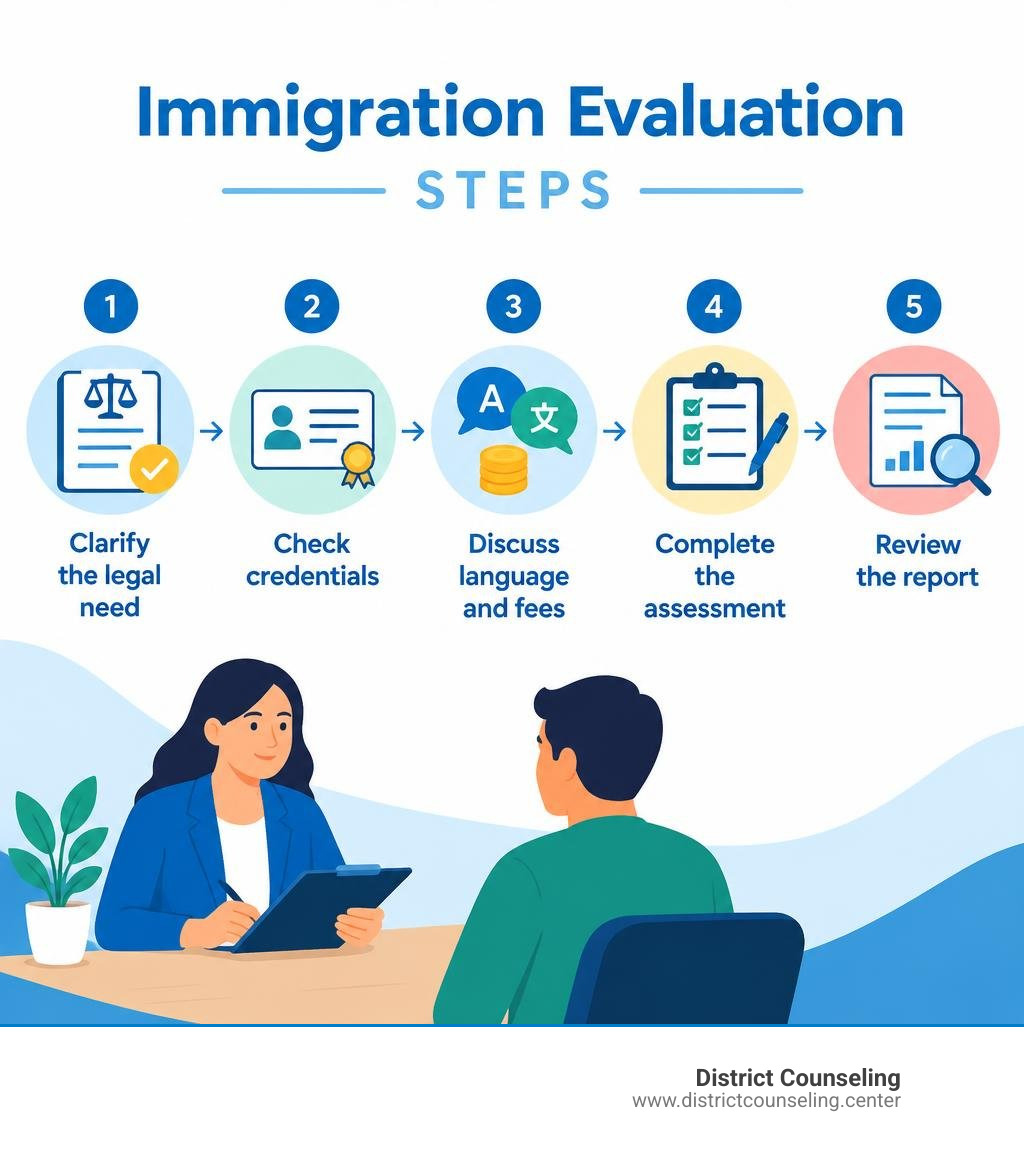
An immigration evaluation is a mental health assessment that documents issues relevant to an immigration case, such as trauma, hardship, or the ability to take part in proceedings. To find an evaluator, first ask your attorney what the report needs to address. Then look for a licensed Texas mental health professional with training in forensic assessment and experience with your type of case. Ask how they handle language needs, fees, privacy, and the final report.
A strong evaluation is clear and independent. It can help explain mental health findings to an attorney or decision-maker, but it cannot guarantee an immigration outcome.
I’m Francisco Ortiz, a Licensed Professional Counselor-Supervisor and Certified Forensic Mental Health Evaluator with experience in asylum and immigration court competency assessments. I’ll use that experience to explain what to look for in an immigration evaluation and how to prepare for one.
Clinical Frameworks and Legal Categories of Immigration Evaluation
Navigating the intersection of mental healthcare and United States immigration law requires understanding the distinct legal categories evaluated in immigration court and before United States Citizenship and Immigration Services (USCIS). Approximately 11 million undocumented immigrants reside in the United States, and research indicates that roughly 15% of those held in immigration detention experience severe psychiatric disorders. For these individuals and their families, a thorough forensic assessment provides an objective look into psychological distress, functional impairment, and cognitive functioning.
Forensic evaluations are not one-size-fits-all clinical summaries; they are tailored legal-medical instruments designed to answer specific statutory questions. Whether an applicant is defending against removal or petitioning for affirmative humanitarian protection, the evaluator must analyze psychological diagnoses, social histories, and medical records against precise legal standards.
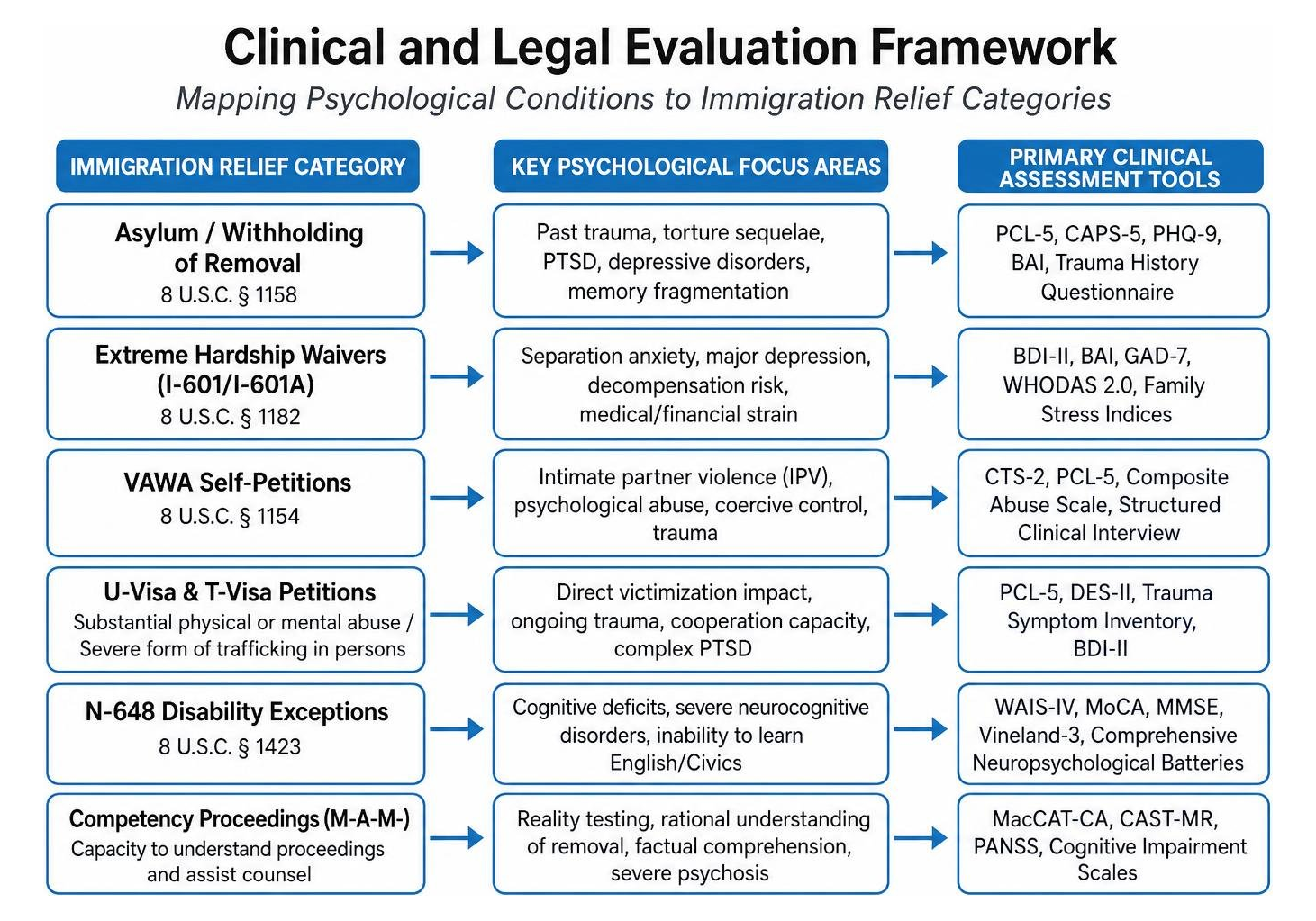
| Immigration Relief Category | Governing Legal Standard | Key Psychological Focus Areas | Primary Clinical Assessment Tools |
|---|---|---|---|
| Asylum / Withholding of Removal | Well-founded fear of persecution based on protected grounds (8 U.S.C. § 1158) | Past trauma, torture sequelae, PTSD, depressive disorders, memory fragmentation | PCL-5, CAPS-5, PHQ-9, BAI, Trauma History Questionnaire |
| Extreme Hardship Waivers (I-601/I-601A) | “Extreme hardship” to a qualifying U.S. Citizen or LPR relative (8 U.S.C. § 1182) | Separation anxiety, major depression, decompensation risk, medical/financial strain | BDI-II, BAI, GAD-7, WHODAS 2.0, Family Stress Indices |
| VAWA Self-Petitions | Battery or extreme cruelty by a USC/LPR spouse or parent (8 U.S.C. § 1154) | Intimate partner violence (IPV), psychological abuse, coercive control, trauma | CTS-2, PCL-5, Composite Abuse Scale, Structured Clinical Interview |
| U-Visa & T-Visa Petitions | Substantial physical or mental abuse / Severe form of trafficking in persons | Direct victimization impact, ongoing trauma, cooperation capacity, complex PTSD | PCL-5, DES-II, Trauma Symptom Inventory, BDI-II |
| N-648 Disability Exceptions | Medically determinable physical/developmental disability or mental impairment (8 U.S.C. § 1423) | Cognitive deficits, severe neurocognitive disorders, inability to learn English/Civics | WAIS-IV, MoCA, MMSE, Vineland-3, Comprehensive Neuropsychological Batteries |
| Competency Proceedings (M-A-M-) | Capacity to understand proceedings and assist counsel (Matter of M-A-M-) | Reality testing, rational understanding of removal, factual comprehension, severe psychosis | MacCAT-CA, CAST-MR, PANSS, Cognitive Impairment Scales |
When cases advance to removal defense, specialized assessments like cancellation of removal evaluations document the exceptional and extremely unusual hardship that qualifying family members would endure upon deportation. Similarly, applying for citizenship may require N-648 medical disability exceptions to establish that an applicant’s severe cognitive or psychiatric impairments prevent them from meeting standard English and civics requirements.
Humanitarian Protection: Asylum, VAWA, U-Visa, and T-Visa Claims
Humanitarian immigration relief relies heavily on establishing past persecution or substantial victimization. In asylum proceedings, applicants must demonstrate a well-founded fear of persecution based on race, religion, nationality, membership in a particular social group, or political opinion. Our clinical evaluations in asylum forensic assessments systematically document the psychological aftereffects of physical torture, arbitrary detention, gender-based violence, or targeted threats.
For survivors of domestic abuse, VAWA evaluations assess the profound impact of battery or “extreme cruelty.” This goes beyond physical injuries to capture coercive control, verbal degradation, isolation, and emotional exploitation perpetrated by a U.S. citizen or permanent resident spouse or parent.
Victims of qualifying crimes who have assisted law enforcement benefit from U visa mental health documentation, which measures the degree of “substantial physical or mental abuse” suffered. In cases involving labor or sex trafficking, T visa forensic evaluations outline the psychological effects of involuntary servitude, debt bondage, isolation, and complex trauma.
Extreme Hardship Waivers and Mental Competency Determinations
In waiver cases (such as I-601, I-601A, and I-212 applications), the focus shifts from the applicant’s trauma to the profound suffering that deportation would inflict on a qualifying relative—typically a U.S. citizen or lawful permanent resident spouse or parent. Through comprehensive hardship waiver evaluations, clinicians assess the severe psychological, developmental, medical, and financial consequences of both family separation and forced relocation to the applicant’s country of origin.
Beyond waiver petitions, competency evaluations serve a vital protective function in immigration court under the legal framework established by Matter of M-A-M-. Non-citizens facing removal must possess a rational and factual understanding of the nature and object of the proceedings and have the capacity to assist their legal counsel. When severe psychiatric disorders, intellectual disabilities, or acute psychosis impair these abilities, a forensic mental health evaluator assesses functional legal capacities to determine whether procedural safeguards are necessary.
Essential Qualifications and Forensic Assessment Standards
Forensic evaluations submitted in federal immigration matters must meet rigorous legal and clinical standards. Unlike standard therapeutic summaries, forensic reports are designed for legal decision-makers, including immigration judges, asylum officers, and USCIS adjudicators. In federal jurisdictions, scientific evidence and expert testimony are scrutinized under the evidentiary thresholds of the Daubert standard and the historical Frye test. These frameworks require that diagnostic instruments, testing methods, and clinical conclusions rely on peer-reviewed, scientifically valid, and generally accepted methodologies.
A study on Adjudicating Credibility: Documenting the Role of Mental Health Immigration Forensic Assessments revealed that submitting formal mental health assessments significantly improves the odds of securing immigration relief—particularly when physical evidence of past persecution is absent. However, the survey also underscored that cost (cited by 94% of attorneys) and a shortage of forensic evaluators remain major barriers to accessing evaluations.
Professional Guidelines for an Immigration Evaluation
To maintain consistency and ethical integrity across evaluations, clinicians must adhere to established professional practice standards. The Professional guidelines for psychological evaluations in immigration proceedings provide a foundational nine-point framework for clinicians conducting assessments for USCIS and immigration courts (Mercado et al., 2022). These standards emphasize forensic independence, clinical competence, trauma-informed methodologies, and cultural humility when working with vulnerable populations.
Key considerations for forensic evaluators include:
- Maintaining active, unencumbered state mental health licensure (such as LPC, LMFT, LCSW, or Licensed Psychologist).
- Maintaining clear boundaries between clinical therapy and objective forensic evaluation.
- Applying international evaluation standards, such as the Istanbul Protocol (Manual on the Effective Investigation and Documentation of Torture and Other Cruel, Inhuman or Degrading Treatment or Punishment).
- Acknowledging limitations in psychometric testing and clearly identifying the sources of collateral data.
To better understand this structured clinical assessment, clients can review demystifying the immigration assessment journey, which details how forensic interviews and psychometric tools work together.
Cross-Cultural Competence, Trauma Memory, and Symptom Validity
Evaluating individuals from diverse cultural and linguistic backgrounds requires specialized training in cross-cultural assessment. Western psychiatric diagnostic categories do not always capture culture-specific expressions of distress, such as somatic complaints, spirit possession, or cultural idioms of distress. Clinicians must apply the DSM-5-TR Cultural Formulation Interview to properly contextualize trauma narratives.
Furthermore, adjudicators often penalize applicants for narrative inconsistencies, failing to realize that traumatic memory is naturally fragmented. High levels of neurobiological stress disrupt autobiographical memory encoding, leading to peripheral inconsistencies rather than fabricated accounts.
Forensic evaluators must also administer formal symptom validity tests (SVTs) and performance validity tests (PVTs) when appropriate. Objective validity indicators rule out malingering or symptom exaggeration, ensuring that findings submitted to court remain unassailable. For Spanish-speaking applicants, completing an evaluación psicológica para la inmigración with native bilingual evaluators or qualified medical interpreters avoids linguistic distortion and preserves diagnostic precision.
Forensic Psychology, Risk Assessment, and Security Vetting
While immigration evaluations primarily document trauma and hardship, forensic behavioral science also intersects with public safety, risk analysis, and national security. Scholarly literature, including Psychological Evaluations for Immigration; Also for Terrorism Prevention, examines how forensic methodologies can help identify behavioral vulnerabilities and distinguish between trauma responses and intentional deception or security risks (Vaisman-Tzachor, 2017).
Historical intelligence reviews highlight the importance of thorough vetting:
- A study of 94 foreign-born terrorists who entered the U.S. between 1990 and 2004 revealed that approximately two-thirds (59 individuals) committed immigration fraud prior to or during their attacks.
- A 2016 national security report cataloged 580 domestic terrorism convictions within the U.S., finding that over 65% (at least 380 individuals) were foreign-born.
- Historical estimates indicated that approximately 250 Americans attempted to travel abroad to join extremist groups like ISIS, with roughly half later returning to domestic territory.
Differentiating Trauma Profiles from Security Risk Markers
Forensic psychological assessment offers useful diagnostic tools for differentiating the psychological profiles of genuine trauma survivors from individuals exhibiting markers of violent radicalization. Genuine asylum seekers typically present with internalizing symptom clusters: hypervigilance, emotional numbing, avoidance, somatic distress, and diminished self-efficacy.
In contrast, behavioral threat assessment literature identifies distinct markers in individuals at risk for ideologically motivated violence:
- Pathological narcissistic character organization combined with profound grievance-driven ego injuries.
- Externalized blame, antisocial detachment, and an active desire for notoriety or compensatory empowerment through violence.
- Ideological fixation, weaponized black-and-white thinking, and overt hostility toward democratic legal institutions.
Standardized psychological evaluations help clinicians document these distinct behavioral patterns, providing objective context for legal decision-makers.
Lessons from International Vetting and Screening Systems
Analyzing international immigration models provides valuable insight into improving data collection, inter-agency communication, and systematic screening.
In Canada, systemic evaluations highlight both the operational strengths and administrative challenges of specialized immigration pipelines:
- The Evaluation of the Atlantic Immigration Pilot showed strong regional outcomes: by December 2019, 5,590 newcomers had arrived across the Atlantic Provinces (45% in New Brunswick, 34% in Nova Scotia, 10% in Prince Edward Island, and 10% in Newfoundland and Labrador), with 73% arriving in 2019 alone. However, the evaluation noted that diffuse multi-party accountability and gaps in data collection hindered broader settlement utilization.
- The Evaluation of the Immigration National Security Screening Program found that while 89% of security analysts expressed confidence in evaluating inadmissibility under IRPA Section 34 (security/terrorism), confidence dropped to 74% for Section 37 (organized crime), largely due to training gaps and missing inter-agency intelligence pathways.
These international findings reinforce that immigration screening and evaluation programs require standardized training, continuous data integration, and clear operational criteria to function effectively.
How to Choose the Right Practitioner for Your Legal Case
Selecting an experienced evaluator is a critical step in building a well-supported immigration case. Families and legal teams across Texas require clinicians who pair objective forensic training with deep cultural understanding.
Our team conducts comprehensive forensic assessments across Texas, offering dedicated psychological evaluation for immigration services. Whether you need Houston immigration evaluations in Harris County or a Fort Worth psychological evaluation for immigration in North Texas, working with a qualified clinician ensures your evaluation adheres to strict forensic standards.
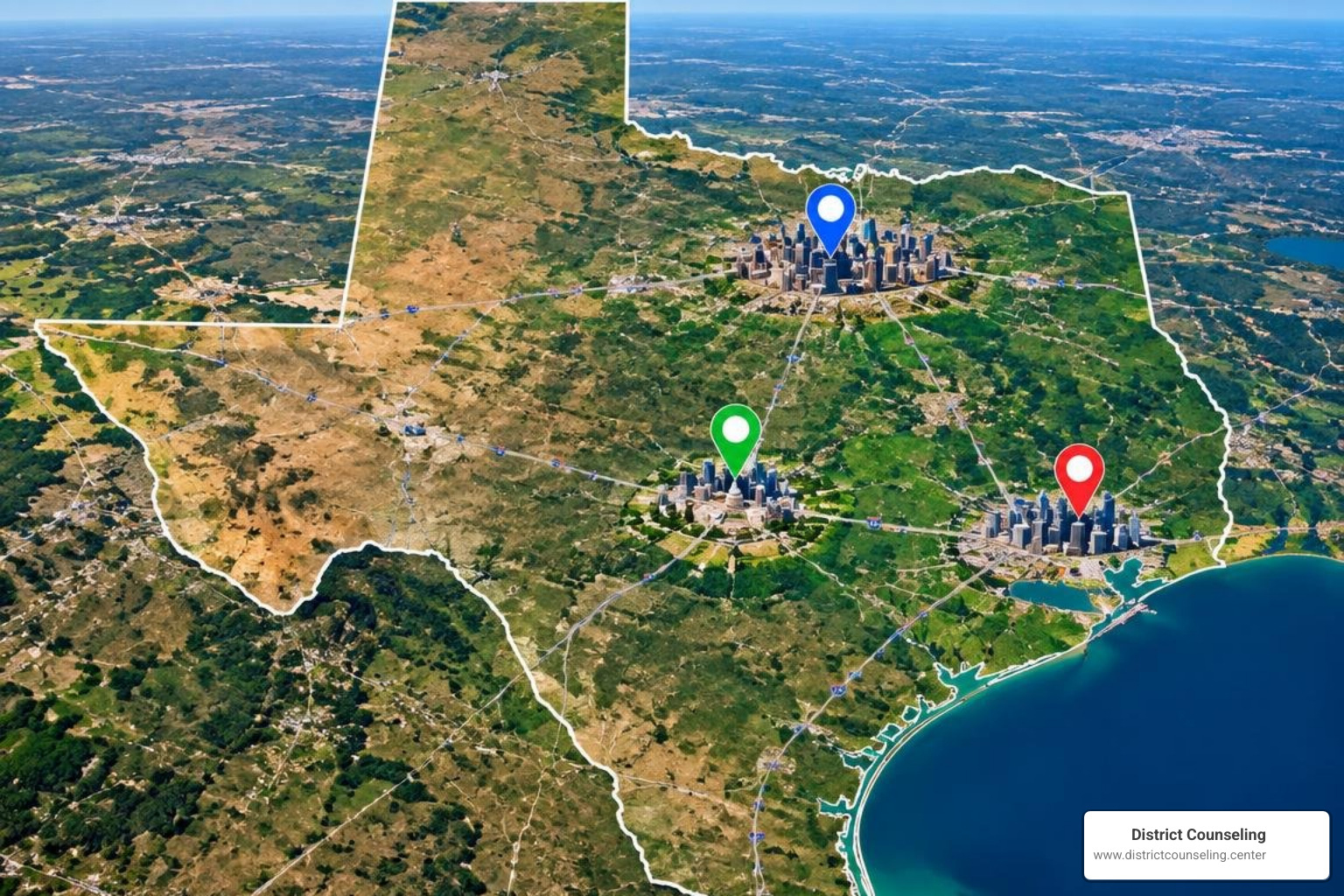
We serve clients throughout Texas, with regional access across Austin, CityCentre, Copperfield, Cypress, Fort Worth, Greater Heights, Houston, Katy, Memorial, Missouri City, Pasadena, Raíces, Spring, Spring Branch, Spring-Tomball, Sugar Land, The Woodlands, Tomball, Tree House, West Lake Hills, and Pearland.
Key Steps When Preparing for an Immigration Evaluation
To ensure your evaluation process goes smoothly, follow these practical steps:
- Coordinate with Your Immigration Attorney: Establish the precise legal question (e.g., Extreme Hardship, Asylum, VAWA, U-Visa, or N-648) and confirm filing deadlines.
- Gather Collateral Records: Assemble medical charts, prior mental health treatment summaries, police reports, protective orders, school records, and declarations.
- Plan for Clinical Interviews: Expect to participate in 2 to 4 hours of direct clinical interviews, developmental history reviews, and validated psychometric testing.
- Arrange Language Accommodations: Confirm that the evaluation will be conducted directly in your native language or with a qualified, professional medical interpreter.
- Review the Draft Report: Ensure your legal counsel reviews the completed forensic report for factual accuracy before it is submitted to USCIS or the Executive Office for Immigration Review (EOIR).
Ethical Considerations and Avoiding Evaluator Bias
Forensic mental health evaluators must maintain strict professional objectivity. Unlike a treating psychotherapist, an independent evaluator does not serve as an advocate for the applicant. If a clinician writes a report using one-sided, emotional advocacy, immigration judges and asylum officers may dismiss the findings as biased.
Ethical forensic evaluators protect the credibility of the evaluation by:
- Acknowledging inconsistencies and addressing alternative explanations for reported symptoms.
- Declining cases that fall outside their clinical training or cultural competence.
- Explaining the limits of confidentiality, as forensic evaluations are conducted specifically for legal disclosure rather than ongoing therapeutic privacy.
- Avoiding contingency fees, ensuring payment is never tied to the legal outcome of the case.
Frequently Asked Questions About Immigration Evaluations
What legal standards govern mental health evaluations in immigration court?
Mental health evaluations in immigration court must satisfy the Federal Rules of Evidence regarding expert reliability, adhering to the Daubert standard and Frye principles. Evaluators must use peer-reviewed diagnostic criteria and validated testing instruments. In mental competency proceedings, evaluations must specifically address the legal criteria outlined in Matter of M-A-M-, documenting whether an individual understands the proceedings and can assist their attorney.
How does a clinical evaluation support credibility in trauma-based petitions?
Trauma often disrupts memory encoding, resulting in fragmented recall that adjudicators can misinterpret as deceit. A forensic evaluation provides clinical context for these narrative gaps by explaining the neurobiology of PTSD and major depression. Diagnostic inventories and structured clinical interviews corroborate past persecution, demonstrating that an applicant’s psychological symptoms align with their reported trauma history.
What should applicants expect during the psychological assessment process?
Applicants should expect a professional, trauma-informed evaluation that typically spans two or more clinical appointments. The evaluator will gather a comprehensive life history, including childhood background, family dynamics, medical issues, and trauma exposure. The assessment also includes standardized psychometric tests (such as depression and trauma inventories) and symptom validity measures to ensure accurate, objective documentation.
Conclusion
A well-conducted psychological evaluation bridges clinical science and immigration law, providing courts and adjudicators with clear, objective documentation of trauma, hardship, or cognitive impairment. In complex immigration proceedings, an independent forensic report ensures that critical mental health factors are clearly understood and factored into legal decisions.
If you or a loved one requires an independent, professional forensic evaluation, reach out to our team at District Counseling to connect with a licensed mental health professional who understands the forensic standards of immigration law.
References
Alfonso Mercado, Claudette S. Antuña, Cassandra Bailey, Luz Garcini, Giselle A. Hass, Craig Henderson, Shahana Koslofsky, Frances Morales, Amanda Venta. “Professional guidelines for psychological evaluations in immigration proceedings..” Journal of Latinx Psychology, 2022. DOI 10.1037/lat0000209. Reuben Vaisman-Tzachor. “Psychological Evaluations for Immigration; Also for Terrorism Prevention.” Psychology and Behavioral Science International Journal, 2017. DOI 10.19080/pbsij.2017.03.555609.
Visited 1 times, 1 visit(s) today


Similar Posts

Francisco Ortiz
November 9, 2026
The Complete Guide to Finding an Immigration Evaluator
Find expert immigration evaluation for asylum, VAWA, hardship waivers, and N-648 with this complete guide to forensic assessments....

Francisco Ortiz
November 6, 2026
An Essential Guide to the Psychological Evaluation Process
Learn how a psychological evaluation provides diagnostic clarity and a roadmap for mental health treatment....

Francisco Ortiz
November 4, 2026
Best Counseling Services in Cypress: Find Local Support Now
Find compassionate counseling in Cypress for individuals, couples, teens, and families. Start your wellness journey with expert local support today....

Francisco Ortiz
November 2, 2026
A Comprehensive Guide to Finding a Houston Therapist
Find a Houston therapist for anxiety, trauma, or couples counseling. Compare costs, insurance, and specialized care in this local guide....

Francisco Ortiz
October 30, 2026
How to Become a Substance Abuse Professional and Help Save Careers
Learn how to become a substance abuse professional and help save careers with this step-by-step guide to DOT SAP qualification and certification....
Francisco Ortiz
October 28, 2026
Demystifying the Evaluation for Immigration Process
Learn how a professional evaluation for immigration supports asylum, waivers, and visa cases with expert forensic assessments....

Francisco Ortiz
October 26, 2026
The Complete Guide to Emotional Exhaustion
Learn the signs, causes, and recovery paths for emotional exhaustion—plus proven strategies to reclaim your energy and well-being....

Francisco Ortiz
October 23, 2026
Demystifying the Court-Ordered Mental Health Evaluation Process
Learn what to expect in a court ordered mental health evaluation, including legal criteria, costs, and outcomes....

Francisco Ortiz
October 21, 2026
Finding the Right EMDR Specialist in Cypress Texas for Real Healing
Find a qualified EMDR specialist in Cypress Texas for real trauma healing and lasting anxiety relief....

Francisco Ortiz
October 19, 2026
Why therapy for caregiver exhaustion is a necessity not a luxury
Find relief with exhaustion therapy for caregivers. Learn how clinical support heals burnout and restores your well-being....


