
Christian Counseling Austin: Faith-Informed Support for Mental Wellness
Christian counseling in Austin can help you work through anxiety, depression, trauma, grief, relationship strain, or major life changes with a licensed therapist who respects your Christian beliefs. Many providers combine proven approaches, such as CBT, EMDR, trauma-informed care, and couples therapy, with faith integration that may include prayer or Scripture when you want it.
When comparing options, look for a counselor whose clinical license, specialty, insurance status, fees, and approach to faith fit your needs. Ask whether they offer telehealth, accept your plan or out-of-network benefits, and provide sliding-scale rates. Austin also has church-based referrals, support groups, and community programs that can supplement professional care.
Christian counseling is not one fixed method. For some people, faith is a source of hope and values-based guidance. For others, it is a safe place to discuss spiritual doubts, church hurt, or the role faith plays in recovery. Good care should be both spiritually respectful and clinically sound.
I am Francisco Ortiz, a Licensed Professional Counselor-Supervisor with experience helping individuals, couples, and families navigate trauma, mood concerns, and relationship challenges. In this guide to Christian counseling Austin, I will explain how to find care that supports both your mental health and your faith.

Understanding Christian Counseling Austin: Faith Meets Clinical Care
Navigating life’s trials often requires a balance of spiritual clarity and emotional healing. When faith is central to your worldview, seeking mental health support should not mean checking your spiritual values at the door. At its core, faith-based psychotherapy represents an intentional bridge between clinical standards and theological truth.
In Central Texas, the growing demand for holistic mental health services has made faith integration an essential component of modern therapy. Rather than treating faith and science as opposing forces, this approach views psychological research as a practical tool for understanding how God designed our minds, bodies, and relationships to heal. For a broader understanding of how psychotherapy is defined and practiced, you can review the American Psychological Association’s overview of psychotherapy.
Whether you are walking through profound grief, wrestling with relationship friction, or managing persistent worry, licensed clinical care honors your story while creating space for authentic spiritual discernment.
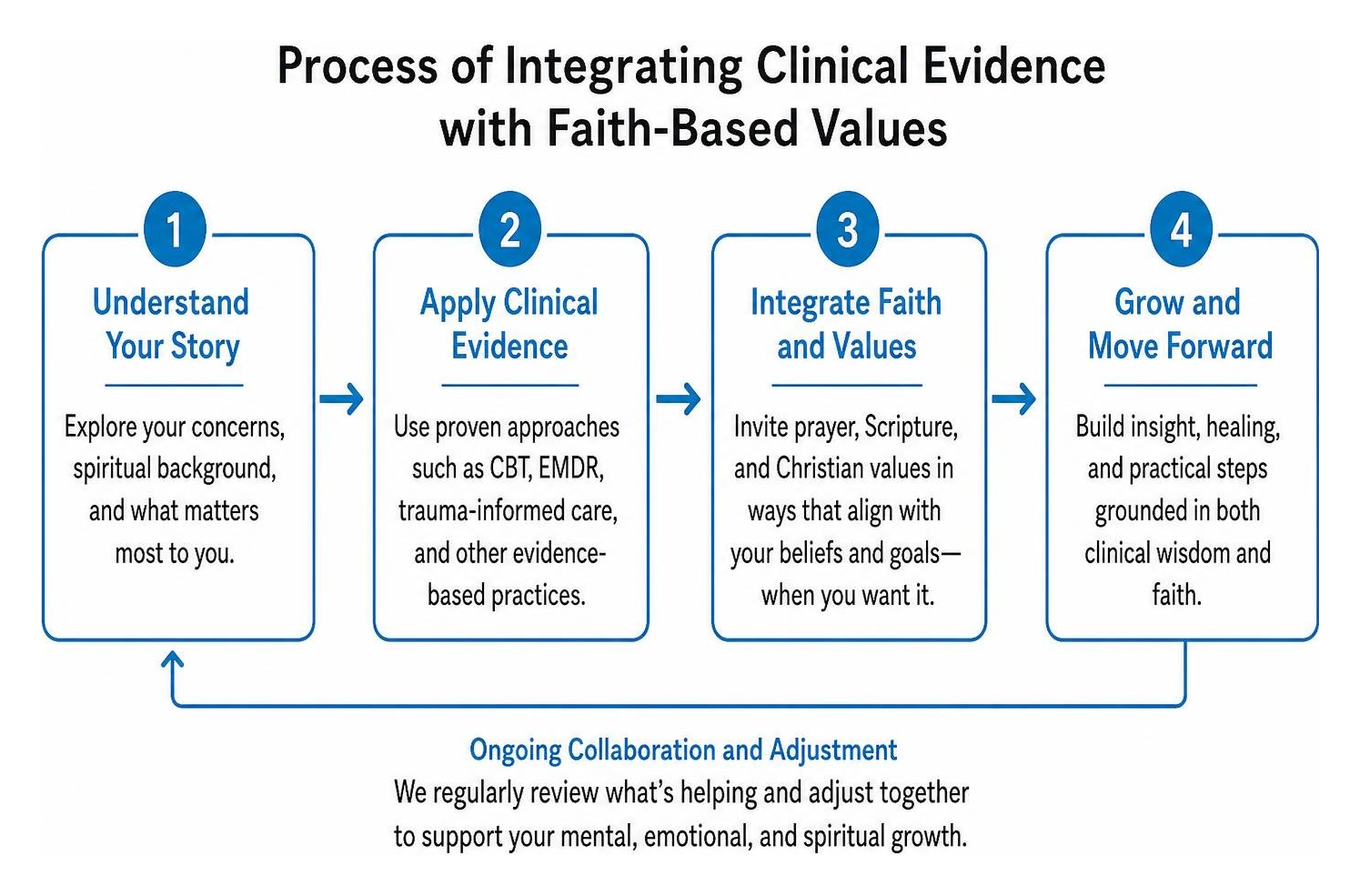
Distinctives of Faith-Integrated Mental Health
How does faith-integrated therapy differ from traditional secular psychotherapy? While both forms adhere to rigorous professional ethics and clinical frameworks, the worldview guiding the conversation shifts.
Secular counseling typically focuses on self-actualization, humanistic ethics, and internal coping mechanisms. While these tools are valuable, faith-integrated therapy anchors personal value in God’s grace and biblical truth. Clients are invited to bring prayer, Scripture, and theological questions into the clinical room at whatever pace feels comfortable.
| Feature | Traditional Secular Psychotherapy | Faith-Integrated Christian Counseling |
|---|---|---|
| Primary Framework | Humanistic, cognitive, or behavioral science | Evidence-based clinical science integrated with biblical truth |
| Source of Identity | Self-defined values and personal strengths | Inherent worth grounded in Christ and biblical values |
| Spiritual Integration | Neutral; addressed only if initiated by client | Welcomed; includes prayer, Scripture, and spiritual processing upon request |
| View of Suffering | Biological, environmental, or systemic imbalance | Bio-psycho-social-spiritual reality with opportunities for redemption and growth |
| Ethical Standards | State licensing board standards and HIPAA | State licensing board standards, HIPAA, and Christian ethical integrity |
This integrative approach also allows for cognitive renewal. Biblical principles regarding renewing the mind align naturally with cognitive restructuring techniques, helping you replace toxic, shame-filled thought loops with grounded truth and compassionate self-awareness.
Evidence-Based Modalities in Christian Counseling Austin
A common misconception is that faith-based counseling relies solely on spiritual advice. In reality, licensed professionals utilize proven psychological modalities that have been rigorously studied and validated.
- Cognitive Behavioral Therapy (CBT): Examines the intricate relationship between thoughts, emotions, and behaviors. By identifying distorted core beliefs, clients learn to align their thought patterns with realistic, life-affirming truths. CBT is one of the most widely researched forms of psychotherapy, with extensive literature documenting its effectiveness across many conditions, as summarized by the National Institute of Mental Health’s overview of psychotherapies.
- Eye Movement Desensitization and Reprocessing (EMDR): A specialized neurological therapy that helps the brain reprocess traumatic memories and distress, restoring a sense of safety to the nervous system.
- The Gottman Method: A research-backed couples framework designed to disarm conflicting verbal communication, increase intimacy, and break down barriers that cause relational gridlock.
- Attachment Theory: Explores how early childhood bonds influence adult emotional patterns, intimacy, and our felt sense of security with both loved ones and God.
- Trauma-Informed Care: An approach recognizing the widespread physical and emotional impact of traumatic stress, ensuring that therapeutic pacing prioritizes safety, trust, and empowerment.
Core Mental Health Issues Treated Through Faith-Based Therapy

Mental health concerns do not discriminate based on spiritual devotion. Even the most faithful individuals experience biological vulnerabilities, systemic pressures, and the deep emotional weight of living in a fallen world. Professional counseling dismantles the stigma that struggling with emotional wellness indicates a lack of faith.
Trauma Recovery and EMDR
Trauma alters how the nervous system processes danger, often leaving individuals trapped in hypervigilance, emotional numbness, or intrusive memories. Whether arising from childhood neglect, sudden loss, spiritual abuse, or acute life-threatening events, deep psychological wounds require gentle, skilled care.
Integrating clinical tools like somatic processing and EMDR within a faith-affirming context allows clients to process distressing events without feeling disconnected from their spiritual foundation. If you are carrying the burden of past experiences, exploring dedicated Austin trauma counseling can provide a grounded pathway to rediscover safety, somatic relief, and inner peace.
Depression and Anxiety Support
Anxiety and depression can feel like an isolating storm. Panic attacks, chronic worry, overwhelming lethargy, and persistent sadness often strain both daily life and spiritual vitality. When a person is experiencing clinical depression, well-intentioned advice like “just pray harder” can inadvertently deepen feelings of shame and isolation.
Our therapeutic approach treats the whole person—addressing nervous system regulation, thought patterns, emotional processing, and lifestyle factors. In our dedicated sessions for Austin depression and anxiety counseling, clients discover practical tools to manage panic, process unresolved grief, and navigate seasons of spiritual doubt with clarity and support.
Tailored Faith-Based Care for Life Stages and Relationships
Mental wellness is deeply tied to our relationships and the transitions we experience throughout life. From navigating young adulthood and parenting stressors to preparing for marriage, targeted support makes all the difference.

Specialized Christian Counseling Austin for Couples and Families
Relationships require continuous intentionality, emotional safety, and practical communication tools. When conflict patterns become cyclical or emotional distance sets in, professional mediation helps couples uncover root attachment needs and rebuild trust.
- Premarital Preparation: Building a strong foundation before exchanging vows helps couples explore expectations, finances, family backgrounds, and spiritual goals. Engaging in Christian premarital counseling guidance using assessments like SYMBIS or Prepare/Enrich sets partners up for long-term relational health.
- Marriage Restoration: For couples experiencing communication breakdowns, infidelity recovery, or chronic disconnection, our Austin relationship & marital counseling provides structured interventions to disarm defensive patterns and restore emotional intimacy.
- Family Dynamics: Supporting parents and adolescents through life transitions, boundaries, and behavioral struggles helps foster a peaceful, connected home environment.
Pastoral and Individual Spiritual Support
Ministry leaders, pastors, and dedicated church volunteers often carry heavy emotional loads without having a confidential space to process their own burdens. Compassion fatigue, vocational burnout, church conflict, and personal crises can lead to profound isolation.
We provide a safe, non-judgmental environment through our pastoral counseling services. This specialized support helps individuals address leadership burnout, establish healthy interpersonal boundaries, process spiritual disappointment, and reaffirm their core identity outside of their performance or ministerial roles.
Navigating Costs, Insurance, and Accessible Care in Central Texas
Finding high-quality, faith-aligned counseling should be straightforward and financially transparent. Austin offers a diverse array of options, from private practices to community mental health initiatives.
Insurance and Sliding Scale Options
Cost should never be an insurmountable barrier to receiving compassionate mental health care. When exploring options across the Austin area, consider the following avenues:
- In-Network Insurance Benefits: Many licensed practices accept major health plans, significantly reducing per-session out-of-pocket costs to standard copays or coinsurance amounts.
- Out-of-Network Reimbursement: If a therapist is out-of-network, you can often request a “superbill” (a standardized medical receipt) to submit to your insurance company for partial reimbursement.
- HSA and FSA Accounts: You can use pre-tax funds from Health Savings Accounts (HSA) or Flexible Spending Accounts (FSA) to cover professional psychotherapy sessions.
- Sliding-Scale Fees: Multiple Austin agencies, counseling clinics, and training institutes provide reduced-fee or income-based sessions—sometimes ranging from $10 to $55 per appointment—ensuring that lower-income families and students can access reliable care.
- Community Programs: Organizations such as the National Alliance on Mental Illness (NAMI) Central Texas offer free community support programs and dedicated faith-community initiatives designed to assist families walking alongside loved ones with mental health conditions.
Telehealth and Church Community Support
Modern technology makes it easier than ever to connect with licensed professionals throughout Central Texas. For busy parents, working professionals, or those facing Austin traffic, choosing Austin telehealth counseling allows you to receive consistent clinical support from the comfort and privacy of your own home.
Additionally, local church care teams and support ministries play an invaluable role in emotional recovery. While pastoral care and church-hosted support groups are not a substitute for clinical psychotherapy when treating clinical disorders, they provide a strong network of community encouragement, prayer, and practical accountability alongside professional counseling.
Frequently Asked Questions About Faith-Based Therapy
What is the difference between pastoral care and licensed Christian counseling?
Pastoral care is typically provided by church pastors, elders, or ministry leaders who offer biblical advice, spiritual mentorship, and prayer. However, pastoral counselors are generally not licensed by state medical boards to diagnose or treat clinical mental health disorders.
Licensed Christian counselors (such as LPCs, LMFTs, or LCSWs) hold accredited master’s or doctoral degrees in behavioral sciences. They are clinically trained to treat complex conditions like clinical depression, PTSD, OCD, and severe anxiety disorders using evidence-based interventions while maintaining strict state and ethical confidentiality guidelines.
How much does faith-based therapy cost in Austin?
Private practice therapy rates across Austin and the surrounding areas generally range between $120 and $225+ per 50-minute clinical session, depending on the therapist’s credentials, specialized certifications (such as EMDR or advanced Gottman training), and experience level.
For those needing more affordable options, non-profit community clinics, university training centers, and sliding-scale practices offer services based on household income brackets, with fees starting as low as $10 to $55 per session.
Can I use health insurance for Christian counseling?
Yes, provided that your therapist is a state-licensed mental health professional (or an associate under clinical supervision) and the care meets clinical medical necessity criteria.
Insurance providers do not cover spiritual mentorship alone, but they do cover evidence-based psychotherapy for diagnosed conditions (such as generalized anxiety or major depressive disorder). Many Christian therapists in Austin accept insurance directly or provide superbills for out-of-network claim reimbursement.
Conclusion
Caring for your mental and emotional wellness is an essential part of stewarding the life God has given you. You do not have to choose between clinical excellence and your Christian faith; true healing embraces both.
At District Counseling, our team offers compassionate, authentic, and clinically advanced psychotherapy to help you overcome life’s heaviest obstacles and cultivate lasting emotional peace. If you are ready to take the next step in your healing journey, explore our Austin counseling location today to connect with a licensed therapist who understands your values and supports your growth.
Visited 1 times, 1 visit(s) today
Similar Posts

Francisco Ortiz
November 26, 2026
Austin Christian Counseling: Merging Faith and Mental Wellness
Find hope and healing with Christian counseling in Austin, blending faith and clinical care for your mental wellness....

Francisco Ortiz
November 25, 2026
10 Common Signs of Exhaustion You Shouldn’t Ignore
Learn to recognize the 10 common signs of exhaustion, from physical fatigue to emotional burnout, and discover when to seek medical help....

Francisco Ortiz
November 24, 2026
The Ultimate Guide to Children’s Play Therapy Basics
Discover how children’s play therapy helps kids heal, grow, and communicate through evidence-based clinical play techniques....

Francisco Ortiz
November 23, 2026
A Quick Start Guide to Comparing ADHD Testing Costs
Learn how much it costs to get tested for ADHD in 2027, from $150 telehealth screenings to $5,000+ comprehensive evaluations....

Francisco Ortiz
November 19, 2026
Best Depression Therapists Near Me: Local Care Compared
Find the best depression therapist near me with our guide to local care, credentials, and evidence-based treatment options....

Francisco Ortiz
November 17, 2026
How to Tell When You Are Way Past the Point of Exhaustion
Learn the key signs of being over tired, from brain fog to physical exhaustion, and discover how to reset your sleep and energy....

Francisco Ortiz
November 16, 2026
Healing Through Play: Why Play Therapy Works for Adjustment Disorder
Discover how play therapy for adjustment disorder helps children heal from stress, divorce, and grief through proven therapeutic techniques....

Francisco Ortiz
November 13, 2026
All About Marital Aids: A Quick Start Guide
Discover how a marital aid can enhance intimacy, communication, and wellness with this guide on types, safety, and relationship support....

Francisco Ortiz
November 11, 2026
The Ultimate Guide to the DOT SAP Evaluation Process
Learn the complete DOT SAP evaluation process for return-to-duty compliance, from initial assessment to Clearinghouse clearance....

Francisco Ortiz
November 9, 2026
The Complete Guide to Finding an Immigration Evaluator
Find expert immigration evaluation for asylum, VAWA, hardship waivers, and N-648 with this complete guide to forensic assessments....


