
Signs of Being Over Tired: When Your Body Needs More Than a Weekend Off
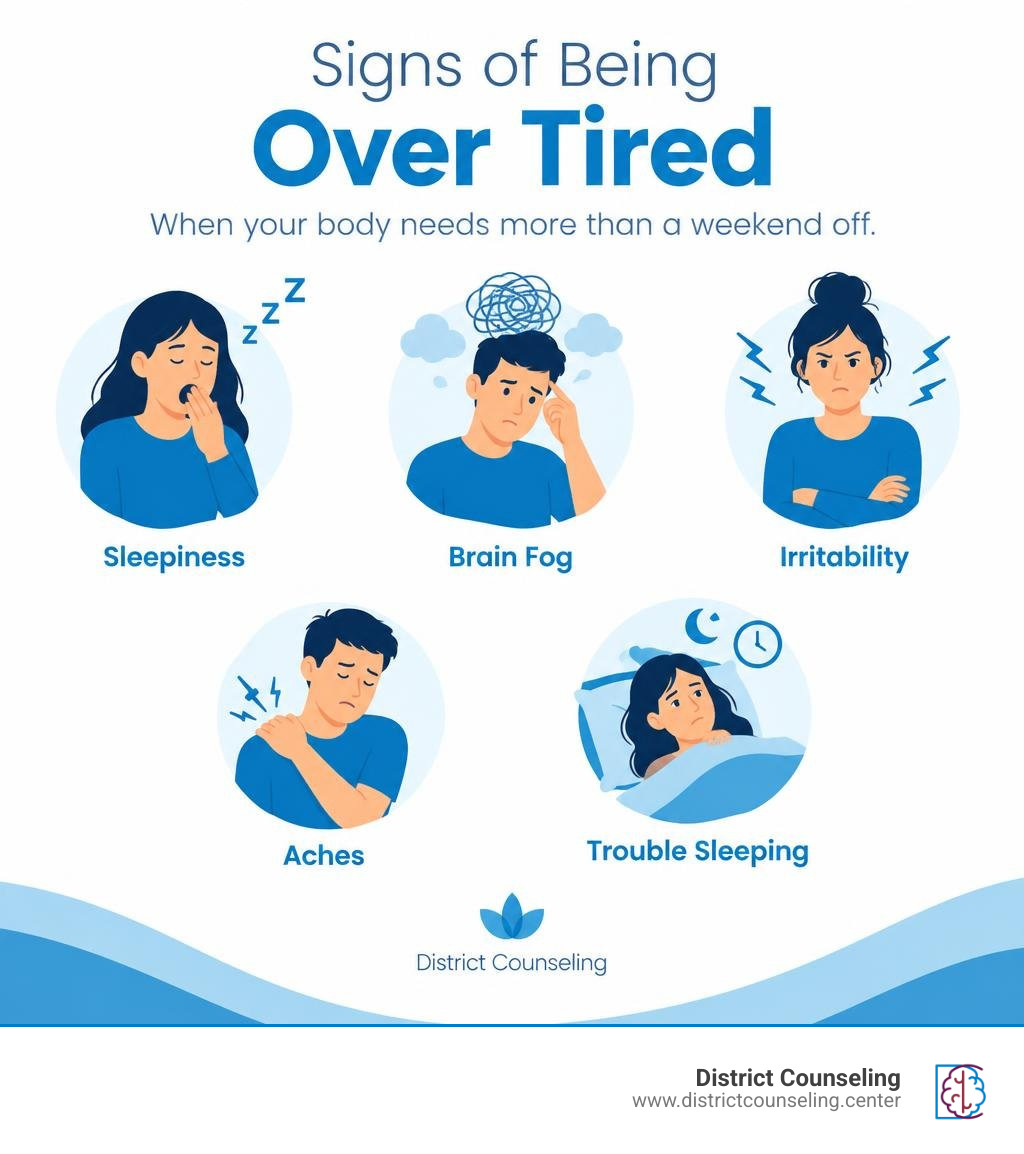
The most common signs of being over tired are feeling sleepy but unable to fall asleep, brain fog, irritability, headaches, body aches, poor focus, and slower reaction time. You may also rely more on caffeine, snacks, scrolling, or alcohol just to get through the day.
Ordinary tiredness usually improves after a good night of sleep. Being overtired means a sleep debt or high stress level has pushed your mind and body into a wired-but-drained state. If exhaustion keeps affecting your work, parenting, driving, relationships, or mood, it deserves attention – especially if sleep does not leave you feeling restored.
I am Francisco Ortiz, a Licensed Professional Counselor-Supervisor who works with people facing anxiety, depression, trauma, burnout, and major life stress. In my clinical work, I help clients recognize signs of being over tired and build practical ways to protect sleep, mood, focus, and daily functioning.
Tired vs. Overtired vs. Fatigued: Understanding the Spectrum
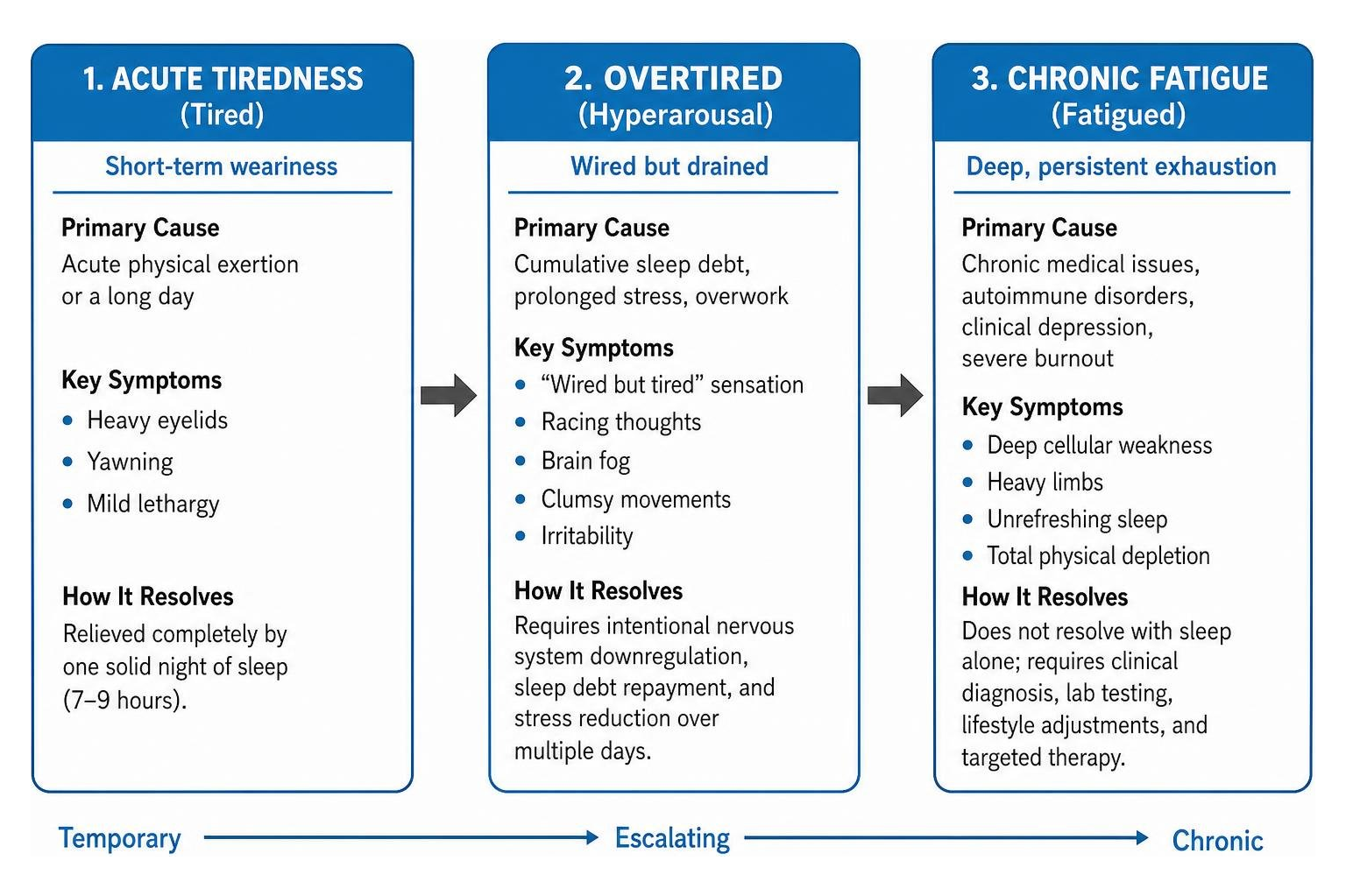
It is easy to lump all forms of exhaustion together, but your body distinguishes between normal weariness, severe overtiredness, and chronic medical fatigue. Understanding where you land on this spectrum helps determine whether a quiet evening, a sleep overhaul, or professional support is necessary.
| State | Primary Cause | Key Symptoms | How It Resolves |
|---|---|---|---|
| Tired | Acute physical exertion or a long day | Heavy eyelids, yawning, mild lethargy | Relieved completely by one solid night of sleep (7–9 hours). |
| Overtired | Cumulative sleep debt, prolonged stress, overwork | “Wired but tired” sensation, racing thoughts, brain fog, clumsy movements | Requires intentional nervous system downregulation, sleep debt repayment, and stress reduction over multiple days. |
| Fatigued | Chronic medical issues, autoimmune disorders, clinical depression, severe burnout | Deep cellular weakness, heavy limbs, unrefreshing sleep, total physical depletion | Does not resolve with sleep alone; requires clinical diagnosis, lab testing, lifestyle adjustments, and targeted therapy. |
When you are merely tired, your homeostatic sleep drive functions as intended. You get into bed, fall asleep within 15 to 20 minutes, and wake up restored.
Overtiredness occurs when you bypass your natural sleep window repeatedly or operate under severe psychosocial stress. The brain enters a state of hyperarousal. Even though your cells are desperate for rest, stress hormones keep your mind spinning.
Fatigue represents a deeper biological depletion. As detailed by Harvard Health’s analysis of persistent exhaustion, fatigue leaves you drained, depleted, and dumbfounded—persisting regardless of how many hours you spend in bed. In fact, research indicates between 40% and 74% of older adults living with chronic conditions grapple with this level of persistent fatigue.
Major Signs of Being Over Tired You Shouldn’t Ignore
Approximately 1 in 3 adults report getting less than the recommended amount of sleep each night, while 1 in 5 fail to get sufficient rest on a regular basis. Over time, this deficit creates dangerous cognitive and physical blind spots.

A critical danger of extreme overtiredness is daytime microsleeps—fleeting lapses of consciousness lasting from a fraction of a second up to 15 seconds. Lack of sleep contributes to tens of thousands of motor vehicle accidents and injuries annually. When your central nervous system is overwhelmed, your brain attempts to force sleep cycles while you are awake.
Catching these signs early is vital for recognizing workplace stress and burnout before chronic exhaustion impacts your career, safety, and physical well-being. Expert insights from the Cleveland Clinic on overtiredness emphasize that recognizing these warning signals is the first step in interrupting the exhaustion cycle.
Subtle Physical Signs of Being Over Tired
Your body leaves a clear physiological trail when running on empty:
- Muscle Twitches and Tremors: Minor spasms, particularly around the eyelids (blepharospasm) or in large leg muscles, frequently occur when electrolyte balances and neuromuscular signaling are disrupted by sleep deprivation.
- Tension Headaches and Migraines: Sleep deficits trigger vascular changes and persistent tightness in the scalp, neck, and shoulder muscles, often producing a band-like pressure across the forehead.
- Compromised Immune Function: While you sleep, your immune system releases cytokines that combat infection. Chronic overtiredness blunts this response, leaving you susceptible to frequent colds and lingering infections.
- Gastrointestinal Distress: The gut-brain axis is highly sensitive to circadian disruption. Overtiredness frequently manifests as bloating, sudden bouts of indigestion, constipation, or irritable bowel flare-ups.
- Clumsy Coordination and Motor Sluggishness: Slower neurological processing delays motor reflexes. You might find yourself dropping objects, bumping into door frames, or fumbling basic manual tasks.
- Appetite Spikes and Intense Sugar Cravings: Insufficient sleep disrupts the balance between ghrelin (the hunger hormone) and leptin (the satiety hormone). You may experience sudden urges for simple carbohydrates, refined sugars, and high-fat comfort snacks as your brain searches for quick fuel.
- Blood Sugar Variability: Elevated stress hormones reduce cellular insulin sensitivity, making glucose control erratic and creating midday energy crashes.
Emotional and Cognitive Signs of Being Over Tired
The prefrontal cortex—the brain area responsible for logic, emotional regulation, and decision-making—is the first region compromised when sleep debt mounts:
- Pervasive Brain Fog: Thoughts feel sluggish, processing complex instructions becomes exhausting, and simple problem-solving feels like wading through mud.
- Heightened Irritability and Low Frustration Tolerance: Minor inconveniences that you would normally shrug off trigger sudden irritation, impatience, or tearfulness.
- Working Memory Deficits: Walking into a room and forgetting why you entered, losing track of conversations mid-sentence, or missing calendar appointments are hallmark indicators of cognitive overload.
- Emotional Detachment and Numbness: When psychological reserves are depleted, your mind may protect itself by muting emotional responses, leading to an apathy toward work, hobbies, and family life.
- Exacerbated Anxiety and Overthinking: Overtiredness amplifies worry loops. For high-achieving individuals, navigating these cognitive strains often intersects with managing high-functioning anxiety symptoms, where an exterior of competence masks severe internal depletion.
- Executive Dysfunction: Struggling to prioritize tasks, initiate projects, or make basic daily choices (like selecting what to eat for dinner) points directly to an exhausted executive control system.
Why You Can’t Sleep When You Are Overtired
It feels like a cruel biological paradox: you have never felt more exhausted, yet the moment your head hits the pillow, your eyes spring open and your mind starts racing.

This occurs because overtiredness is not a state of peaceful readiness for sleep; it is a state of physiological stress. When you stay awake past your natural biological window, your body interprets your prolonged wakefulness as an emergency. The hypothalamic-pituitary-adrenal (HPA) axis activates, initiating a fight-or-flight cascade:
- Cortisol and Adrenaline Surges: Instead of cortisol levels dropping to allow restorative sleep, your adrenal glands flood your bloodstream with cortisol and adrenaline to keep you upright.
- Sympathetic Nervous System Arousal: Your heart rate ticks upward, body temperature remains elevated, and your senses become hypersensitive to ambient noise and light.
- Adenosine and Circadian Mismatch: Adenosine (the chemical that builds “sleep pressure” throughout the day) reaches peak levels, making your body feel physically heavy. However, high neurological stress hormones block adenosine from signaling sleep transition pathways in the brain.
- Racing Cognitive Loops: Elevated stress chemicals stimulate the amygdala. In this hyper-vigilant state, your brain scans for problems to solve, creating nighttime worry loops about tomorrow’s schedule, past regrets, or existential anxieties.
Understanding these underlying fatigue causes and symptoms demystifies the experience. You are not failing at sleeping—your nervous system is simply stuck in survival overdrive.
How to Reset Your System and Prevent Sleep Debt
Reversing severe overtiredness requires calming your central nervous system before expecting sleep to happen automatically.
- Establish a Buffer Zone: Dedicate 45 to 60 minutes before bed to screen-free decompression. Blue light from phones, tablets, and laptops suppresses natural melatonin production and keeps the brain in a daytime state.
- Utilize Somatic Calming Techniques: Rather than forcing sleep, focus on lowering your resting heart rate. Calming practices, including somatic breathwork and the power of mindfulness, signal safety to an overactivated sympathetic nervous system.
- Optimize Your Sleep Sanctuary: Keep your bedroom cool (ideally between 60°F and 67°F), completely dark, and quiet. If ambient noise is unavoidable, introduce a consistent white-noise machine.
- Set Firm Caffeine and Stimulant Cutoffs: Caffeine has an average elimination half-life of 5 to 7 hours. Avoid caffeinated beverages, energy drinks, and high-sugar snacks after 12:00 PM to ensure your adenosine receptors can bind effectively by bedtime.
- Deploy Strategic Micro-Naps: If your daytime sleepiness is overwhelming, take a 20- to 30-minute nap before 2:00 PM. Keep it under half an hour to prevent entering deep slow-wave sleep, which causes post-nap grogginess.
- Honor Work-Life Boundaries: Research indicates that working more than 55 hours per week significantly elevates the risk of physical illness and psychological burnout. Reviewing the documented health effects of being overworked is an important reminder that rest is a biological necessity, not a luxury.
When to Consult a Medical or Mental Health Professional
Occasional overtiredness after a challenging work sprint or family event is normal. However, ongoing exhaustion requires clinical exploration when lifestyle adjustments do not yield relief.
We recommend seeking an evaluation if:
- Your exhaustion persists for more than two to three weeks despite sleeping 7 to 9 hours nightly.
- You experience heavy snoring, gasping for air, or wake up with a parched mouth (classic warning signs of obstructive sleep apnea).
- Exhaustion is accompanied by unexplained joint pain, significant hair loss, unexpected weight changes, or persistent low-grade fevers.
- Your tiredness is paired with persistent feelings of hopelessness, severe panic, or anhedonia (the inability to feel pleasure), indicating the need to evaluate whether your anxiety exceeds everyday stress.
A physician can conduct essential lab work—such as checking for iron-deficiency anemia, thyroid abnormalities, vitamin D deficiencies, and autoimmune markers—while a licensed psychotherapist can help you address chronic stress, unhealed trauma, perfectionism, or boundary struggles keeping your nervous system in chronic distress.
Frequently Asked Questions About Exhaustion
Why do I get a second wind when I am overtired?
A “second wind” late at night is not genuine energy; it is an adrenaline surge. When you push past normal sleep cues, your brain perceives your continued wakefulness as a potential threat. In response, it releases adrenaline and cortisol to keep you alert, temporarily masking sleep pressure while delaying natural melatonin release.
How long does it take to recover from being overtired?
Recovering from acute overtiredness typically takes two to four consecutive nights of quality, undisturbed sleep (7 to 9 hours). If you have accumulated weeks or months of chronic sleep debt, full cognitive and biological recovery may take several weeks of consistent sleep routines, balanced nutrition, and nervous system pacing.
Can being overtired cause physical aches and pains?
Yes. Sleep deprivation elevates systemic inflammation markers in the bloodstream and lowers your central nervous system’s pain threshold. Muscle tissues do not get sufficient time for cellular repair during deep sleep stages, leading to tension headaches, neck and back stiffness, and generalized body aches.
Conclusion
Recognizing the signs of being over tired is the first step toward reclaiming your health, focus, and emotional vitality. Chronic exhaustion is not a badge of productivity; it is a clear message that your central nervous system needs support, boundaries, and genuine rest.
At District Counseling, we provide compassionate, evidence-based psychotherapy, trauma-informed care (including EMDR), psychological evaluations, and telehealth counseling across Texas—including our offices in Houston, Austin, Sugar Land, The Woodlands, Katy, Fort Worth, and surrounding communities. If you are struggling to break the cycle of chronic exhaustion, explore practical steps for overcoming emotional exhaustion or reach out to our team today to begin your path toward sustainable recovery.
Visited 1 times, 1 visit(s) today


Similar Posts

Francisco Ortiz
November 17, 2026
How to Tell When You Are Way Past the Point of Exhaustion
Learn the key signs of being over tired, from brain fog to physical exhaustion, and discover how to reset your sleep and energy....

Francisco Ortiz
November 16, 2026
Healing Through Play: Why Play Therapy Works for Adjustment Disorder
Discover how play therapy for adjustment disorder helps children heal from stress, divorce, and grief through proven therapeutic techniques....

Francisco Ortiz
November 13, 2026
All About Marital Aids: A Quick Start Guide
Discover how a marital aid can enhance intimacy, communication, and wellness with this guide on types, safety, and relationship support....

Francisco Ortiz
November 11, 2026
The Ultimate Guide to the DOT SAP Evaluation Process
Learn the complete DOT SAP evaluation process for return-to-duty compliance, from initial assessment to Clearinghouse clearance....

Francisco Ortiz
November 9, 2026
The Complete Guide to Finding an Immigration Evaluator
Find expert immigration evaluation for asylum, VAWA, hardship waivers, and N-648 with this complete guide to forensic assessments....

Francisco Ortiz
November 6, 2026
An Essential Guide to the Psychological Evaluation Process
Learn how a psychological evaluation provides diagnostic clarity and a roadmap for mental health treatment....

Francisco Ortiz
November 4, 2026
Best Counseling Services in Cypress: Find Local Support Now
Find compassionate counseling in Cypress for individuals, couples, teens, and families. Start your wellness journey with expert local support today....

Francisco Ortiz
November 2, 2026
A Comprehensive Guide to Finding a Houston Therapist
Find a Houston therapist for anxiety, trauma, or couples counseling. Compare costs, insurance, and specialized care in this local guide....

Francisco Ortiz
October 30, 2026
How to Become a Substance Abuse Professional and Help Save Careers
Learn how to become a substance abuse professional and help save careers with this step-by-step guide to DOT SAP qualification and certification....

Francisco Ortiz
October 28, 2026
Demystifying the Evaluation for Immigration Process
Learn how a professional evaluation for immigration supports asylum, waivers, and visa cases with expert forensic assessments....


