
Signs of Exhaustion That Go Beyond Feeling Tired
Common signs of exhaustion include feeling tired most days, waking up unrefreshed, headaches, muscle weakness, dizziness, brain fog, trouble focusing, irritability, low motivation, and pulling away from people. Unlike a tiring day, exhaustion can persist despite rest and make work, parenting, or everyday tasks harder. If you are struggling to stay awake while driving, stop driving and seek medical advice.
I’m Francisco Ortiz, a licensed professional counselor-supervisor who has worked with individuals and families facing mood disorders, trauma, and other mental health concerns. Those experiences shape how I look at the signs of exhaustion, including changes in mood, thinking, and relationships.
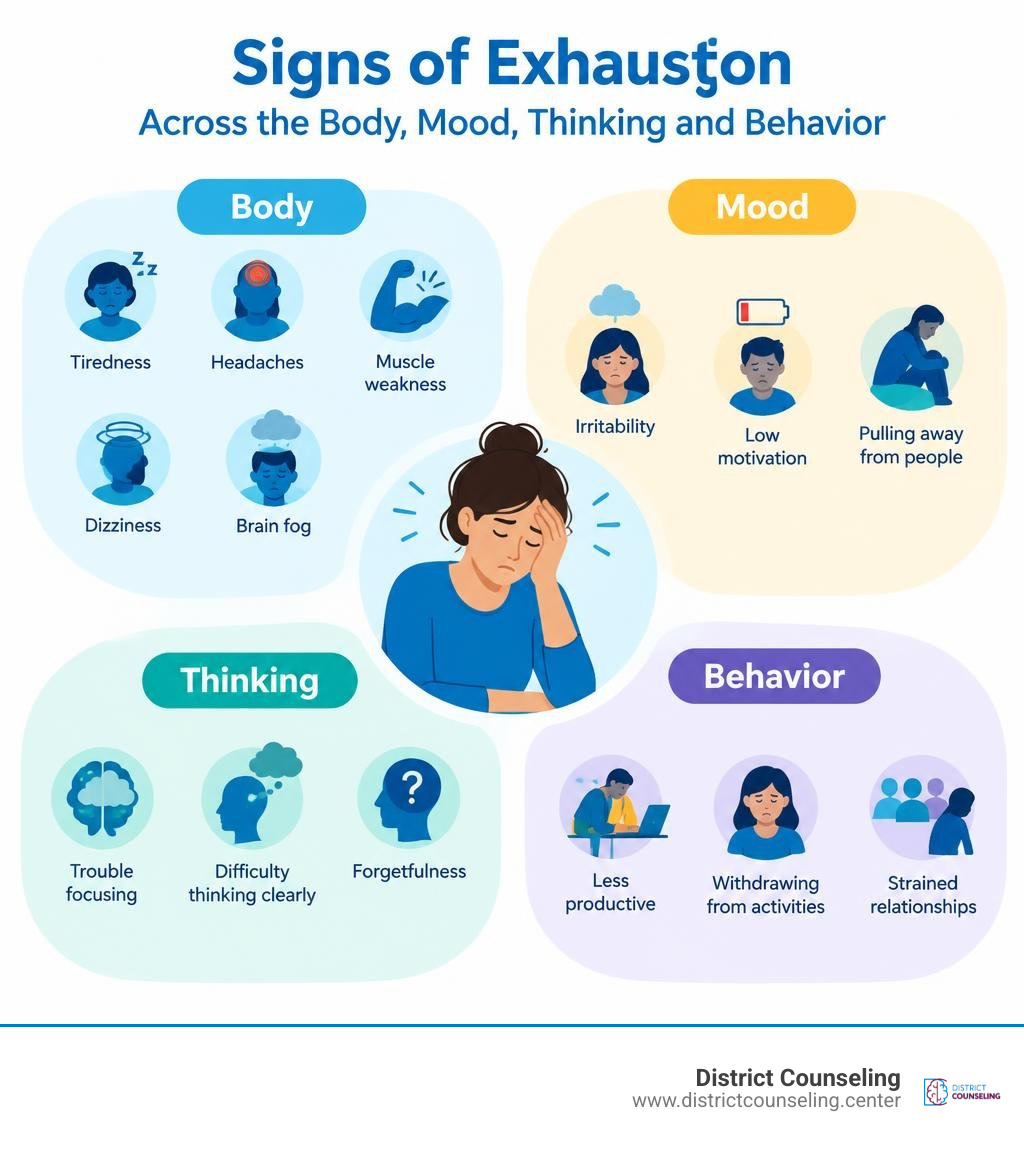
10 Common Signs of Exhaustion
When you run on empty for too long, your mind and body begin sending warning signals. These signs rarely stay confined to simple sleepiness; they spill over into how you think, feel, work, and relate to others. Recognizing these signals early helps you intervene before burnout compromises your health and safety.

Physical signs of exhaustion
- Persistent, Unrelenting Fatigue: This is not the pleasant tiredness that comes after a rewarding workout. It is a deep, bone-weary fatigue that leaves you struggling to get out of bed in the morning and barely able to put one foot in front of the other.
- Unrefreshing Sleep: You might manage eight or nine hours in bed, but you still wake up feeling as though you haven’t slept at all. Elevated stress hormones, such as evening cortisol spikes, disrupt the deep, restorative phases of sleep.
- Muscle Weakness and Body Aches: Exhaustion frequently manifests in the body as sore muscles, heavy-feeling limbs, stiff shoulders, or generalized physical weakness without an intense workout to blame.
- Frequent Headaches and Dizziness: Reduced sleep quality, chronic tension, dehydration, and nervous system strain often trigger recurring tension headaches, migraines, or lightheadedness when standing up quickly.
Mental and emotional signs of exhaustion
- Brain Fog and Processing Delays: Cognitive tasks that once felt routine suddenly require monumental effort. You might find yourself staring blankly at your computer screen, struggling to find common words, or taking twice as long to process basic information.
- Poor Concentration and Working Memory Issues: When you are depleted, attention spans shrink dramatically. You might find yourself able to focus on a complex task for only five minutes before frustration takes over, misplacing your keys, or forgetting important appointments.
- Heightened Irritability, Anxiety, and Low Mood: Your emotional reserve becomes paper-thin. Minor inconveniences—like a spilled cup of coffee or slow traffic along I-10 or Loop 610—can spark sudden anger, tearfulness, or intense worry. Recognizing these patterns is a vital part of identifying the 10 signs of emotional exhaustion before they worsen.
Behavioral signs of exhaustion
- Low Motivation and Abandoned Goals: You lose the drive to pursue personal or professional projects. Goals that used to excite you feel burdensome, leading you to abandon routines, hobbies, and self-care.
- Unfinished Tasks and Procrastination: Everyday responsibilities pile up. You might leave laundry half-folded, avoid replying to important emails, or hand your kids time-consuming digital activities simply because you lack the energy to engage.
- Social Withdrawal and Relationship Strain: When you have no emotional bandwidth left, you isolate yourself. You might avoid answering calls from loved ones or feel resentful when a partner or friend requests quality time, creating painful distance in your relationships.
Beyond these ten indicators, safety risks represent the most dangerous behavioral consequence. Micro-sleeps, slowed reflexes, and drifting off while driving or operating heavy equipment are urgent warning signs that your body has crossed the threshold into critical depletion.
When exhaustion may be more than tiredness
Everyday tiredness is temporary; it typically resolves after a quiet weekend or a few nights of solid sleep. Exhaustion, however, persists day after day, regardless of how much rest you attempt to get.
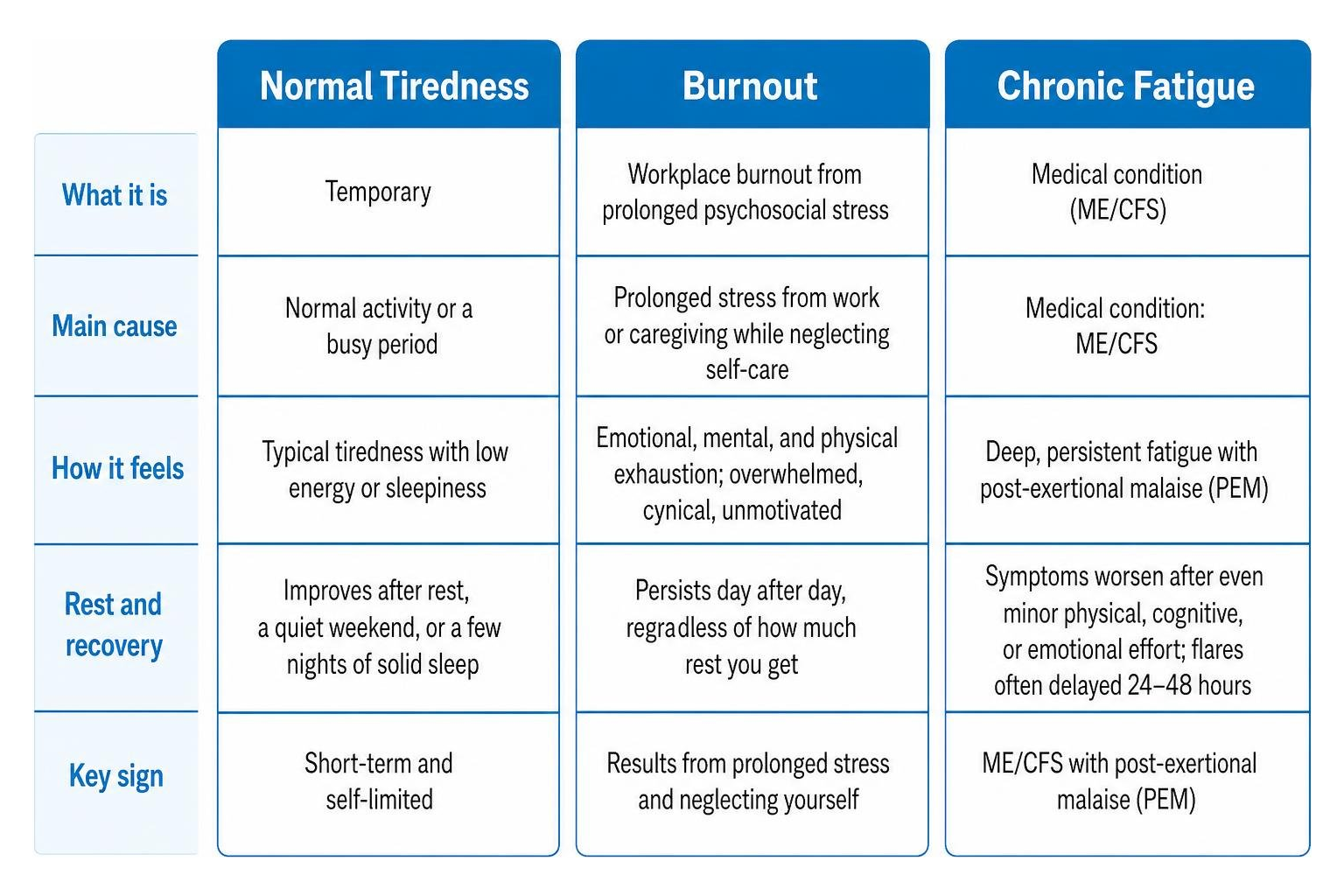
While workplace burnout often stems from prolonged psychosocial stress where you pour energy into professional or caregiving duties while neglecting yourself, medical conditions can also drive profound depletion. For instance, Myalgic Encephalomyelitis / Chronic Fatigue Syndrome (ME/CFS) involves post-exertional malaise (PEM)—a specific physiological response where even minor physical, cognitive, or emotional exertion causes a severe flare-up of symptoms, often delayed by 24 to 48 hours.
What Causes Exhaustion—and What May Help at Home?
Understanding the root cause of your depleted state is the first step toward restoring your vitality. Fatigue is one of the most frequent presenting symptoms in primary care, reflecting an intricate interplay between lifestyle habits, psychological stressors, and medical issues. As outlined in comprehensive reviews on Fatigue causes and definition, fatigue can stem from a wide range of everyday habits as well as serious underlying health disorders.

Medical conditions that can cause exhaustion
Exhaustion is a symptom, not a standalone diagnosis. A broad spectrum of medical conditions can drain your physical and cognitive energy, including:
- Blood and Nutrient Deficiencies: Iron-deficiency anemia reduces oxygen transport throughout your tissues, while low levels of vitamin D or B12 impair cellular energy production.
- Endocrine and Metabolic Disorders: Hypothyroidism slows your metabolism down, while undiagnosed type 1 or type 2 diabetes disrupts how your cells absorb and utilize glucose.
- Infections: Post-viral syndromes following COVID-19, mononucleosis (glandular fever), influenza, or Lyme disease can leave lingering, systemic fatigue.
- Sleep Disorders: Obstructive sleep apnea causes your airway to collapse repeatedly through the night, starving your brain of oxygen and preventing deep sleep without you even realizing it. Insomnia and shift-work sleep disorder similarly scramble your circadian rhythms.
- Cardiovascular and Respiratory Issues: Heart failure, chronic obstructive pulmonary disease (COPD), and postural orthostatic tachycardia syndrome (POTS) limit the efficient circulation of oxygen-rich blood.
- Autoimmune and Chronic Pain Conditions: Lupus, rheumatoid arthritis, multiple sclerosis, and fibromyalgia trigger chronic inflammation that taxes the central nervous system.
- Mental Health Conditions: Clinical depression, chronic anxiety disorders, and post-traumatic stress disorder (PTSD) keep your nervous system in a state of hyperarousal or profound emotional numbness, both of which consume tremendous energy.
- Medication Side Effects: Antihistamines, blood pressure medications (such as beta-blockers), antidepressants, muscle relaxers, and pain medications often list lethargy and drowsiness as primary side effects.
Lifestyle steps to support energy
For non-medical or stress-related fatigue, practical lifestyle adjustments can help rebuild your daily stamina:
- Maintain a Consistent Sleep Window: Aim for seven to nine hours of quality sleep. Go to bed and wake up at the exact same time every day, even on weekends, to stabilize your circadian clock.
- Optimize Your Sleep Sanctuary: Keep your bedroom cool, dark, and quiet. Remove screens, smartphones, and bright lights at least one hour before bed, and consider journaling worries in a notebook to quiet a racing mind before sleep.
- Nourish for Stable Blood Sugar: Avoid refined carbohydrates, sugary snacks, and highly processed foods that cause sharp glucose spikes followed by sluggish crashes. Research shows that 82% of people who closely followed a personalized nutrition program for 3 months reported higher energy levels by stabilizing their metabolic responses. Stay well-hydrated throughout the day, as mild dehydration directly lowers energy and concentration.
- Incorporate Gentle Movement: When you are exhausted, vigorous workouts can feel impossible and may actually set you back. However, low-intensity activity—such as a 15-minute walk outside or gentle stretching—can stimulate blood flow, release feel-good neurotransmitters, and boost energy.
- Conduct a Strategic Caffeine and Substance Reset: While reaching for extra coffee or energy drinks is tempting, excessive caffeine elevates stress hormones and fragments sleep architecture. Try tapering off caffeine over several weeks, and avoid alcohol, which disrupts restorative REM cycles.
- Track Patterns with a Fatigue Diary: Keep a simple daily log noting your sleep times, foods eaten, activity levels, and the times of day you feel most drained. This data provides valuable insights for both you and your healthcare team.
Note: Never stop or alter prescription medications abruptly without consulting your prescribing physician.
Professional treatments for exhaustion
When lifestyle changes are not enough, professional interventions provide structured, lasting relief. A thorough medical evaluation allows your doctor to run targeted blood panels, conduct physical exams, and treat underlying physiological deficiencies.
On the psychological side, evidence-based psychotherapy addresses the root drivers of mental and emotional burnout. Modalities such as Cognitive Behavioral Therapy (CBT), Acceptance and Commitment Therapy (ACT), and mindfulness-based stress reduction help identify perfectionistic tendencies, unhelpful thought patterns, and poor boundary habits. For those whose exhaustion stems from unresolved trauma, specialized modalities like Eye Movement Desensitization and Reprocessing (EMDR) help process somatic tension stored in the nervous system. You can explore deeper recovery tools in our support for emotional exhaustion guide.
When to See a Doctor for Exhaustion
Occasional tiredness after an intense week is normal, but ongoing fatigue warrants a clinical evaluation. You should schedule a visit with your primary healthcare provider if your fatigue has lasted for several weeks with no clear cause, is worsening over time, or is significantly interfering with your ability to work, parent, or manage daily life.
As outlined in primary healthcare guidelines on When to seek care for tiredness and fatigue, you should also contact a doctor if your low energy is accompanied by unexplained weight loss, night sweats, swollen lymph nodes, sudden changes in bowel habits, or waking up gasping, snorting, or choking during sleep.
Warning signs that need emergency care
Some symptoms alongside extreme fatigue point to acute, potentially life-threatening medical or psychiatric emergencies.
Call 911 or visit the nearest emergency department immediately if your exhaustion is accompanied by:
- Chest pain, pressure, or tightness spreading to your arm, neck, or jaw
- Sudden, severe shortness of breath
- A rapid, fluttering, or irregular heartbeat
- Fainting or feeling like you are about to pass out
- A sudden, debilitating headache or sudden vision changes
- Severe abdominal, pelvic, or lower back pain
- Sudden muscle weakness, facial drooping, or numbness
- Unusual or unexplained bleeding
If your exhaustion is connected to severe despair, overwhelming hopelessness, or thoughts of self-harm or suicide, please seek immediate help. In the United States, you can call or text 988 to reach the Suicide & Crisis Lifeline, available 24/7.
What to expect at an appointment
When you visit your physician to evaluate ongoing exhaustion, they will take a collaborative, investigative approach:
- Detailed Clinical History: Your provider will ask about when your tiredness started, its severity, how it fluctuates throughout the day, your current stressors, sleep habits, diet, and alcohol or substance use.
- Medication and Supplement Review: Bring a complete list of all prescription drugs, over-the-counter remedies, vitamins, and herbal supplements you take.
- Physical Examination: Your doctor will check your vital signs, listen to your heart and lungs, examine your thyroid gland, and check for signs of inflammation, fluid retention, or pallor.
- Diagnostic Laboratory Tests: Standard lab work often includes a complete blood count (CBC) to screen for anemia and infection, a comprehensive metabolic panel (CMP) to assess kidney and liver function, thyroid panels (TSH, Free T3/T4), blood glucose or A1C, and nutrient checks (iron, ferritin, vitamin D, and vitamin B12).
- Specialist Referrals: If indicated, your doctor may refer you to a sleep specialist for an overnight sleep study (polysomnography), an endocrinologist, a cardiologist, or a mental health professional for specialized therapy.
Frequently Asked Questions About Signs of Exhaustion
How can you tell if you’re tired or exhausted?
Tiredness is a natural physiological state that follows exertion, a late night, or a busy day. It typically improves once you get a good night of rest, take a weekend nap, or engage in relaxing downtime.
Exhaustion, on the other hand, is a chronic state of depletion. It does not resolve with standard rest, leaves you feeling drained day after day, and actively impairs your cognitive focus, emotional stability, physical strength, and safety. If extra sleep does not refresh you and you struggle to complete basic daily activities, you are dealing with exhaustion rather than simple tiredness.
Can exhaustion be caused by anxiety, depression, or burnout?
Yes, psychological stress and mood disorders are among the most common drivers of persistent fatigue. Chronic anxiety keeps your autonomic nervous system trapped in a continuous “fight-or-flight” loop, flooding your body with adrenaline and cortisol until your reserves run dry. Depression alters brain chemistry, disrupts circadian rhythms, and creates a heavy sense of physical and emotional lethargy.
Prolonged workplace stress and caregiving overload similarly trigger profound emotional detachment and cognitive fatigue. Learning to recognize workplace stress and burnout allows you to implement professional boundaries and psychological support before total collapse occurs.
How long does exhaustion last, and can it be prevented?
The duration of exhaustion depends entirely on its underlying cause, how long the depletion has been building, and how quickly you address it. Lifestyle-related fatigue or acute stress-induced burnout may improve within several weeks of dedicated rest, sleep hygiene, nutritional support, and workload reduction. In contrast, complex medical conditions, long-standing clinical depression, or severe burnout can take several months of structured medical and therapeutic care to fully resolve.
Preventing future relapses requires proactive lifestyle boundaries:
- Maintain consistent sleep and wake times throughout the week.
- Practice daily nervous system regulation through mindfulness, slow breathing, or quiet reflection.
- Establish realistic workloads and learn to communicate firm boundaries around overcommitment.
- Schedule non-negotiable downtime and social connection.
- Seek professional counseling at the earliest signs of emotional overload rather than waiting for complete burnout.
Conclusion
Recognizing the signs of exhaustion is not an admission of weakness—it is an essential act of self-preservation. When physical fatigue, mental fog, irritability, and social withdrawal become your daily norm, your body is sounding a clear alarm that your current pace is unsustainable.
Take time to prioritize your safety, consult a healthcare provider to rule out underlying medical factors, and give yourself permission to step back and recharge. If chronic stress, caregiving demands, or mood challenges are weighing on you, professional support can help you regain your footing.
At District Counseling, our team provides compassionate, authentic psychotherapy, trauma-informed care, and telehealth services tailored to your unique needs across Texas communities, including Houston, Austin, Fort Worth, Katy, Sugar Land, and The Woodlands. You do not have to carry this heavy burden alone—explore our guidance for emotional exhaustion and next steps to begin your journey toward lasting renewal.
Visited 1 times, 1 visit(s) today


Similar Posts

Francisco Ortiz
November 25, 2026
10 Common Signs of Exhaustion You Shouldn’t Ignore
Learn to recognize the 10 common signs of exhaustion, from physical fatigue to emotional burnout, and discover when to seek medical help....

Francisco Ortiz
November 24, 2026
The Ultimate Guide to Children’s Play Therapy Basics
Discover how children’s play therapy helps kids heal, grow, and communicate through evidence-based clinical play techniques....

Francisco Ortiz
November 23, 2026
A Quick Start Guide to Comparing ADHD Testing Costs
Learn how much it costs to get tested for ADHD in 2027, from $150 telehealth screenings to $5,000+ comprehensive evaluations....

Francisco Ortiz
November 19, 2026
Best Depression Therapists Near Me: Local Care Compared
Find the best depression therapist near me with our guide to local care, credentials, and evidence-based treatment options....

Francisco Ortiz
November 17, 2026
How to Tell When You Are Way Past the Point of Exhaustion
Learn the key signs of being over tired, from brain fog to physical exhaustion, and discover how to reset your sleep and energy....

Francisco Ortiz
November 16, 2026
Healing Through Play: Why Play Therapy Works for Adjustment Disorder
Discover how play therapy for adjustment disorder helps children heal from stress, divorce, and grief through proven therapeutic techniques....

Francisco Ortiz
November 13, 2026
All About Marital Aids: A Quick Start Guide
Discover how a marital aid can enhance intimacy, communication, and wellness with this guide on types, safety, and relationship support....

Francisco Ortiz
November 11, 2026
The Ultimate Guide to the DOT SAP Evaluation Process
Learn the complete DOT SAP evaluation process for return-to-duty compliance, from initial assessment to Clearinghouse clearance....

Francisco Ortiz
November 9, 2026
The Complete Guide to Finding an Immigration Evaluator
Find expert immigration evaluation for asylum, VAWA, hardship waivers, and N-648 with this complete guide to forensic assessments....

Francisco Ortiz
November 6, 2026
An Essential Guide to the Psychological Evaluation Process
Learn how a psychological evaluation provides diagnostic clarity and a roadmap for mental health treatment....


