
Find Local Youth Counselor: How They Can Help Your Teen Thrive (52 characters)
Recognizing When Your Teen Needs Professional Support
Finding a youth counselor near me starts with identifying licensed professionals who specialize in adolescent development and offer evidence-based support for emotional, behavioral, and social challenges. A qualified youth counselor near you can help your teen build coping skills, improve communication, and work through anxiety, depression, trauma, or family conflict in a safe, structured environment. You can locate these providers through trusted therapist directories, referrals from your pediatrician or school counselor, and reputable practices like District Counseling.
Adolescence is a time of rapid neurological, social, and physical change. While moodiness or wanting more independence is a normal part of growing up, there is a clear distinction between typical teen growing pains and persistent emotional distress.
Recognizing when your teen needs outside help begins with observing shifts in their baseline patterns. When emotional struggles start interfering with schoolwork, family connections, sleep, or friendships, reaching out to a professional can prevent small challenges from turning into deeper crises.
Key warning signs that often warrant a professional mental health evaluation include:
- Sudden behavioral shifts: Uncharacteristic aggression, severe defiance, risk-taking, or sudden loss of interest in favorite extracurricular activities.
- Changes in school performance: A sudden drop in grades, missed assignments, frequent trips to the school nurse, or truancy.
- Social withdrawal and isolation: Pulling away completely from friends, family activities, and social networks, often isolating alone in their bedroom for long periods.
- Intense emotional dysregulation: Frequent panic attacks, outbursts of anger, extreme mood swings, or prolonged periods of tearfulness and hopelessness.
- Physical and somatic symptoms: Chronic headaches, stomachaches without medical cause, drastic changes in appetite, or disrupted sleep patterns (such as insomnia or excessive sleeping).
Understanding how these symptoms manifest is crucial, especially when distinguishing between temporary stress and chronic struggles. Learning more about depression and anxiety in teens can help parents recognize subtle red flags before they escalate.
For younger children, behavioral distress often surfaces through regression, frequent tantrums, or separation anxiety. Parents dealing with younger children can benefit from resources focused on identifying child behavioral challenges to understand how age influences emotional expression.
How to Search for a Qualified Youth Counselor Near Me
When searching for a local counselor for your child, finding the right credentials and clinical background makes all the difference. Youth counseling requires specialized training in developmental psychology, family systems, and youth-centered therapeutic interventions. According to the American Academy of Child and Adolescent Psychiatry, effective youth mental health care depends on providers who understand both developmental stages and family dynamics.
When evaluating providers, consider these essential factors:
- Professional Licensure: Ensure the provider holds active, state-approved credentials such as LPC (Licensed Professional Counselor), LMFT (Licensed Marriage and Family Therapist), LCSW (Licensed Clinical Social Worker), or licensed psychologist.
- Specialization in Adolescents and Children: Clinicians who work primarily with adults may not have the developmental tools or relational approach needed to connect with younger clients.
- Experience with Your Teen’s Specific Concerns: Whether your teen is facing social anxiety, ADHD, trauma, grief, or academic burnout, ask potential counselors about their background in addressing those specific issues.
- Rapport and Personality Fit: The therapeutic alliance is one of the strongest predictors of successful therapy. A clinician must feel approachable, empathetic, and relatable to your teen.
Taking the time to research finding the right therapist ensures that your family partners with someone equipped to foster lasting change. You can explore our dedicated team of therapists to learn about various clinical backgrounds, areas of expertise, and approaches to adolescent well-being.
Navigating Specialized Care for Trauma, LGBTQ+ Youth, and Crisis Situations
Certain adolescent challenges require targeted, specialized therapeutic care. Generic counseling strategies may not be enough when teens face acute trauma, minority stress, or severe emotional crises.
- Trauma-Informed Care and EMDR: Adolescents who have experienced bullying, abuse, accidents, medical trauma, or significant loss benefit from modalities like Eye Movement Desensitization and Reprocessing (EMDR). Trauma-informed therapists create a physically and emotionally safe environment to help teens process distressing memories without retraumatization.
- Affirming Care for LGBTQ+ Youth: LGBTQ+ youth face unique social pressures, identity exploration questions, and elevated rates of anxiety and depression. Dedicated, identity-affirming counseling offers a validating space where teens can navigate relationships, school environments, and self-acceptance without fear of judgment.
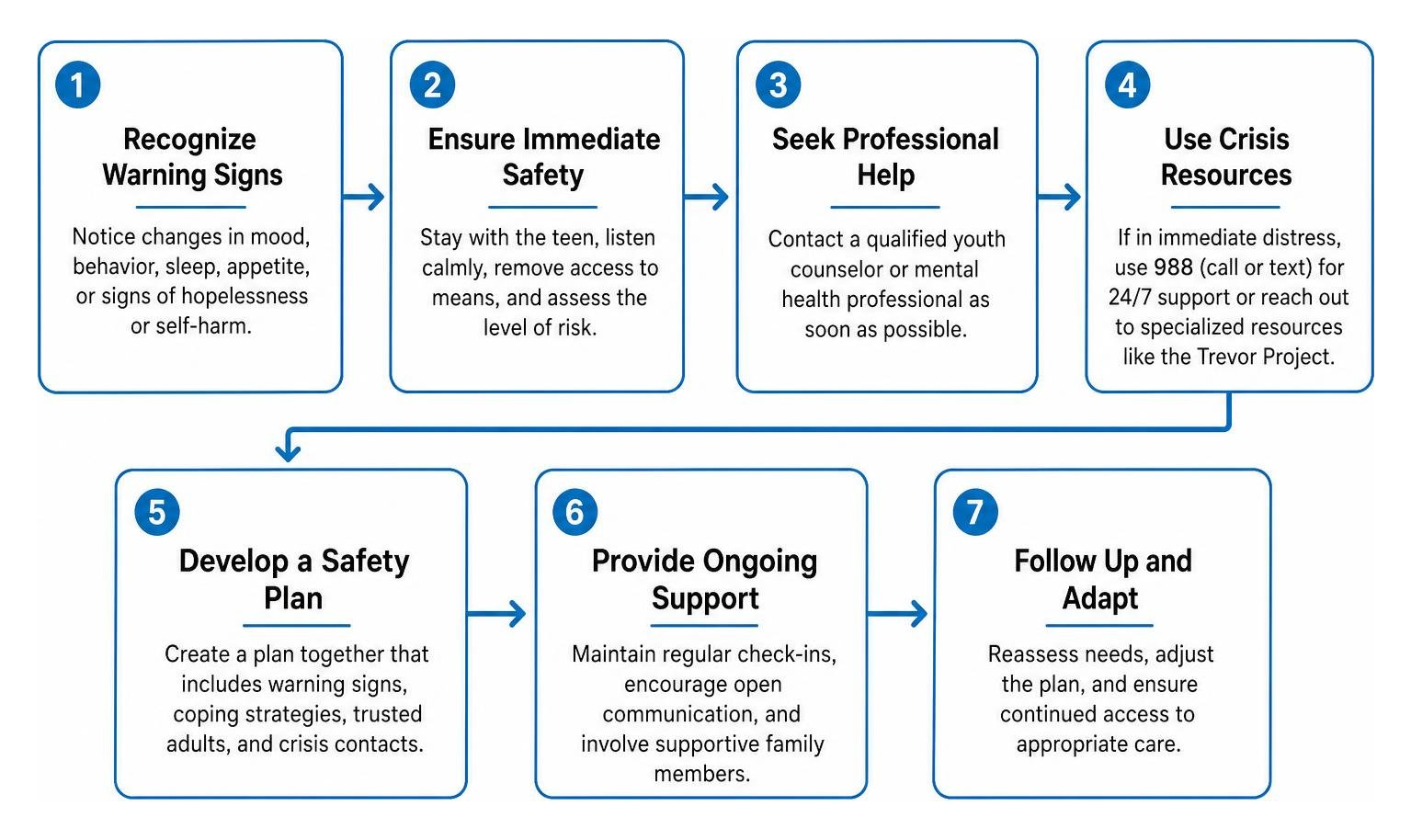
- Crisis Intervention and Suicide Prevention: If a teen expresses thoughts of self-harm, worthlessness, or suicide, immediate intervention is essential. Parents should review recognizing warning signs and teen suicide prevention to know how to respond calmly and effectively during an acute mental health crisis.
If a youth is in immediate distress, free and confidential support is accessible nationwide 24/7 by calling or texting 988. Specialized support is also available through the Trevor Project (for LGBTQ+ youth) by texting START to 678-678 or calling 1-866-488-7386.
Evidence-Based Approaches Used by a Youth Counselor Near Me
Therapy for children and teens is rarely just sitting on a couch and talking. Effective youth counselors use evidence-based frameworks adapted specifically for younger developmental stages. These structured methods help young people understand their thoughts, manage difficult emotions, and build practical life skills.
Clinicians draw from a variety of comprehensive therapy modalities to match each young person’s unique strengths, cognitive maturity, and communication style.
| Therapeutic Modality | Primary Focus | Best Suited For | Core Techniques Used |
|---|---|---|---|
| Cognitive Behavioral Therapy (CBT) | Identifying and reframing negative thought patterns and behaviors | Anxiety, depression, school avoidance, panic | Thought logs, cognitive reframing, behavioral activation, exposure |
| Play Therapy | Expressing emotions and processing conflicts through symbolic play | Children ages 3–12, behavioral issues, life changes | Sand tray therapy, therapeutic games, storytelling, role-play |
| EMDR Therapy | Reprocessing traumatic or distressing memories safely | PTSD, acute trauma, phobias, deep-seated anxiety | Bilateral stimulation, resource building, memory desensitization |
| Art & Experiential Therapy | Non-verbal emotional expression and self-discovery | Teens struggling with verbal expression, low self-esteem | Guided drawing, sculpting, somatic grounding, visual journaling |
| Family Systems Therapy | Improving household communication and resolving dynamic conflicts | Parent-teen conflict, blended family transitions, behavioral defiance | Boundary setting, active listening exercises, structural restructuring |
Creative and Experiential Therapies for Children and Teens
Younger children and even older adolescents often struggle to find the exact words to describe complex internal states. Creative and experiential therapies bridge this gap by offering alternative avenues for expression.
In early childhood and pre-adolescence, play serves as a natural language. Through structured children’s counseling and play therapy, young clients can work through difficult experiences, fears, and developmental hurdles in a space that feels natural and non-threatening.
Art therapy and somatic grounding techniques provide similar benefits for teens who feel overwhelmed by traditional talk therapy. Creating visual representations of emotions helps teens externalize internal distress, making complex feelings easier to discuss, understand, and regulate.
In-Person Sessions vs. Telehealth for Youth Mental Health
Modern youth counseling offers both in-person and secure telehealth options. Each format brings distinct advantages depending on your teen’s personality, lifestyle, and therapeutic needs.
- In-Person Therapy: Provides a dedicated, neutral environment free from home distractions. It allows therapists to pick up on subtle body language, facilitates physical hands-on activities (like art or play therapy), and offers a clear sensory separation between home life and therapy.
- Virtual Youth Counseling (Telehealth): Conducted over secure, HIPAA-compliant video platforms, virtual care provides maximum convenience and flexibility. It eliminates travel time, fits easily into busy extracurricular schedules, and allows teens to attend sessions from the comfort and privacy of their own rooms.
Many families find that our teen counseling services can be delivered effectively through either modality, with some families choosing a hybrid approach to match their weekly schedules.
Navigating the Counseling Process: Preparation, Costs, and Expectations
Starting therapy is a significant step for any family. Knowing what to expect reduces anxiety for both parents and teens, creating a clear path forward from the very first appointment.

What to Expect During the Initial Youth Counselor Near Me Consultation
The first counseling session, often called an intake assessment, sets the foundation for all future work. During this session, the counselor gathers important background information, assesses current challenges, and outlines therapeutic goals.
Here is what typically happens during an initial consultation:
- Parent and Teen Discussion: The counselor often begins by meeting with both the parent and teen together to understand the family’s main concerns and goals.
- Individual Time with the Teen: The therapist will spend one-on-one time with the teen to begin establishing rapport, learning about their interests, and understanding their perspective on why they are attending counseling.
- Reviewing Confidentiality: The counselor will explain the boundaries of confidentiality clearly. To build real trust, teens need to know their private conversations are protected, while parents are assured that therapists will immediately communicate any safety concerns (such as self-harm or danger to others).
- Developing a Treatment Roadmap: Together, the therapist, teen, and parents establish clear, realistic milestones for therapy.
For a deeper look into selecting the right clinician for your area, read our guide on choosing an adolescent therapist in Cypress.
Affordable Care and Financial Assistance Options for Families
High-quality mental health care should be accessible. Families navigating therapy costs have several avenues to explore:
- Insurance Coverage and Superbills: Many private health insurance plans offer out-of-network benefits for behavioral health. Therapists can provide a detailed statement (superbill) that families submit to their insurance provider for direct reimbursement.
- Sliding-Scale Fee Structures: Some practices and community clinics offer sliding-scale rates adjusted according to household income, helping keep therapy affordable.
- Health Savings Accounts (HSA) and FSAs: Most youth mental health services qualify for payment through pre-tax Health Savings Accounts and Flexible Spending Accounts.
- Community and Non-Profit Resources: Local health departments, university training clinics, and funded community programs often provide low-cost or subsidized counseling sessions.
For additional practical advice on budgeting for behavioral health, explore our tips on selecting affordable therapy.
Frequently Asked Questions About Youth Counseling
How do I know if my child needs an immediate mental health screening?
If your child exhibits sudden and dramatic personality changes, discusses feelings of worthlessness, shows signs of self-injury, or experiences intense panic that prevents them from attending school, an immediate mental health screening is recommended. A screening can be completed by a licensed counselor, pediatrician, or through standardized online screening tools to evaluate symptom severity.
How can I pay for youth counseling services without health insurance?
Families without health insurance can utilize sliding-scale fee programs offered by private practices and community mental health clinics, use HSA/FSA funds, or seek care through local public health clinics and university training centers that offer reduced-fee services.
What crisis resources are available if my teen is in distress?
If your teen is experiencing an acute mental health crisis:
- 988 Suicide & Crisis Lifeline: Call or text 988 for free, 24/7, confidential support.
- The Trevor Project (LGBTQ+ Youth): Call 1-866-488-7386 or text START to 678-678.
- Crisis Text Line: Text HOME to 741741 to connect with a crisis counselor.
- Emergency Services: Call 911 or visit the nearest hospital emergency room if your teen is in immediate danger.
Conclusion
Parenting through the teenage years can feel overwhelming, but you do not have to do it alone. Seeking professional guidance is not a sign of failure—it is a proactive investment in your child’s emotional resilience, self-worth, and future success. With the right therapeutic relationship, teens learn lifelong coping strategies to navigate stress, communicate effectively, and thrive in an increasingly complex world.
At District Counseling, we partner with families across Texas—including Houston, Cypress, Katy, Missouri City, and surrounding communities—to deliver compassionate, evidence-based care. If you are ready to support your teen’s mental wellness journey, schedule comprehensive teen counseling support today.
Visited 1 times, 1 visit(s) today
Similar Posts

Francisco Ortiz
October 12, 2026
Find Local Youth Counselor: How They Can Help Your Teen Thrive (52 characters)
Find a qualified youth counselor near me to help your teen thrive with evidence-based support for anxiety, trauma, and more....

Francisco Ortiz
October 9, 2026
Faith-Based Pastoral Counseling: A Comprehensive Guide
Discover how pastoral counseling integrates faith and psychology for holistic healing, grief, trauma, and marital support....

Francisco Ortiz
October 7, 2026
Houston Counseling Options: Find Local Help Nearby
Find affirming counseling in Houston for trauma, LGBTQ+ care, couples, and more. Explore local options and start your healing today....

Francisco Ortiz
October 5, 2026
Why every teacher needs a burnout therapy game plan
Why every teacher needs a burnout therapy game plan – Learn about burnout therapy for teachers...

Francisco Ortiz
October 2, 2026
Child Therapist Near Me? Here is How to Spot a Great One
Find a child therapist near me who fits your child’s needs. Learn signs, costs, and effective therapy options....

Adalid Blandin
September 30, 2026
Mental Health and Miracles: Finding Local Christian Care
Find pastoral counselling near me for faith-based emotional and spiritual support in Texas....

Adalid Blandin
September 28, 2026
Missouri City and Houston Couples Therapy 101
Explore relationship counseling in Houston options, from couples therapy to intensives, with costs, insurance, and therapist tips for Missouri City families....

Adalid Blandin
September 25, 2026
How to find authentic therapy for emotional exhaustion in Houston
Find emotional exhaustion therapy Houston that helps professionals and caregivers move from burnout to renewed energy and balance....

Francisco Ortiz
September 23, 2026
A Practical Guide to Finding Licensed Telehealth Counselors in Texas
Find licensed telehealth counseling in Texas with this guide to legal standards, privacy, insurance, and best practices for virtual care....

Adalid Blandin
September 21, 2026
All About Psychiatric Weight Loss Options and Treatments
Explore psychiatric weight loss options, including medications, therapy, and bariatric support for holistic wellness....


