
How to Find a Houston Therapist Who Fits Your Needs
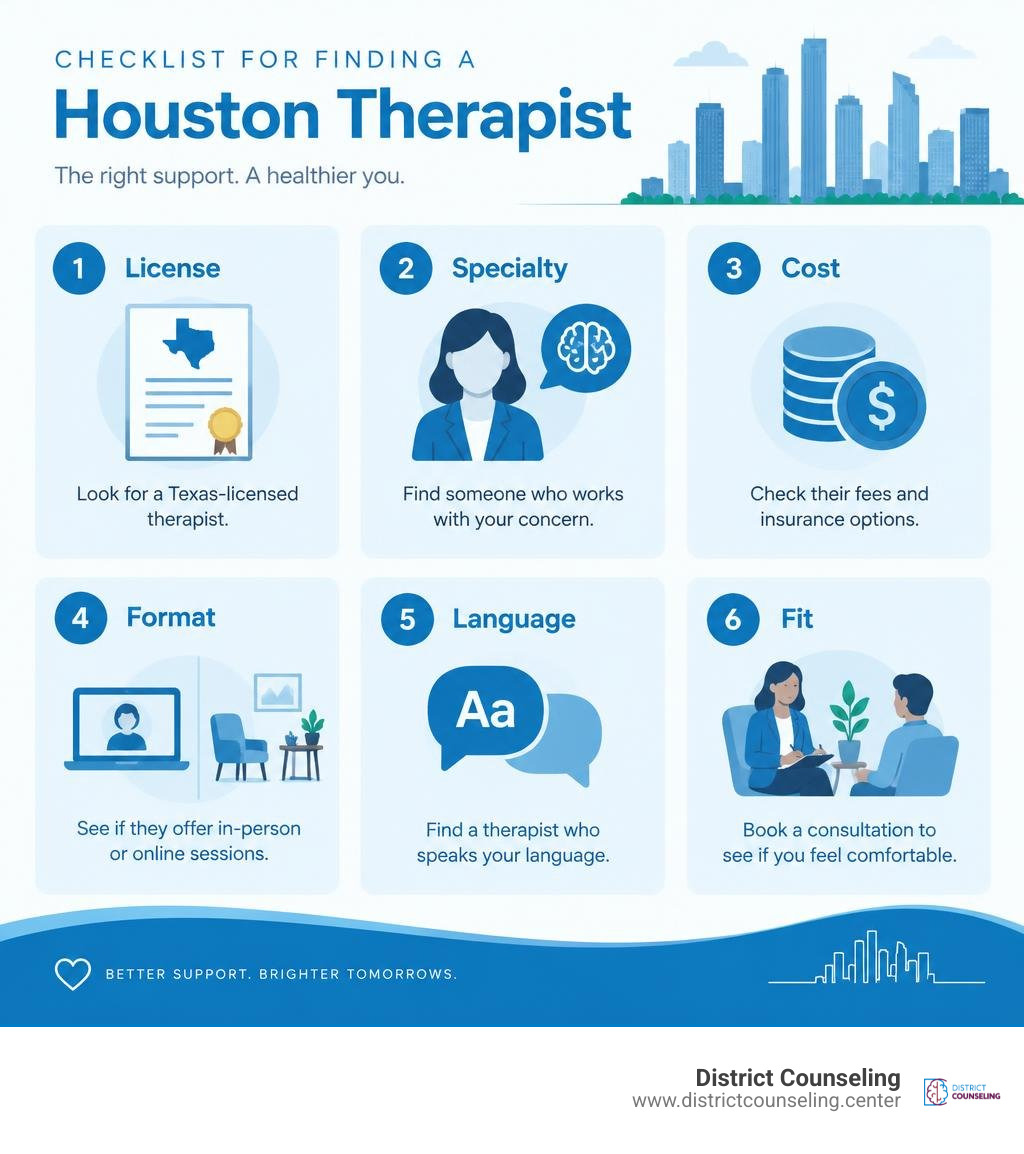
Start by looking for a Texas-licensed therapist who works with your concern, whether that’s anxiety, trauma, ADHD, or a relationship issue. Check their fees and insurance options, ask whether they offer in-person or online sessions, and book a consultation to see if you feel comfortable talking with them. A good fit matters as much as a convenient appointment.
Houston offers many kinds of therapy, but finding the right provider can take time. This guide will help you compare specialties, costs, and practical needs such as scheduling and language. For broader context on local mental health access, the National Alliance on Mental Illness Texas provides statewide resources and support.
I’m Francisco Ortiz, a Houston therapist and Licensed Professional Counselor-Supervisor. I’ve worked with individuals, couples, and families facing trauma, mood concerns, and relationship challenges, and I’ll walk you through what to look for.
Introduction
Houston is a dynamic, sprawling metropolis home to over 2.3 million residents across diverse neighborhoods. Yet, navigating everyday life in Space City can present distinct challenges. From demanding work hours and career pressures to long commutes along the 610 Loop or I-10, life can easily become overwhelming. Across our community, an estimated 1 in 5 adults experiences a mental health condition each year. Furthermore, recent health data shows that over 40% of Houston adults report persistent symptoms of anxiety or depression.
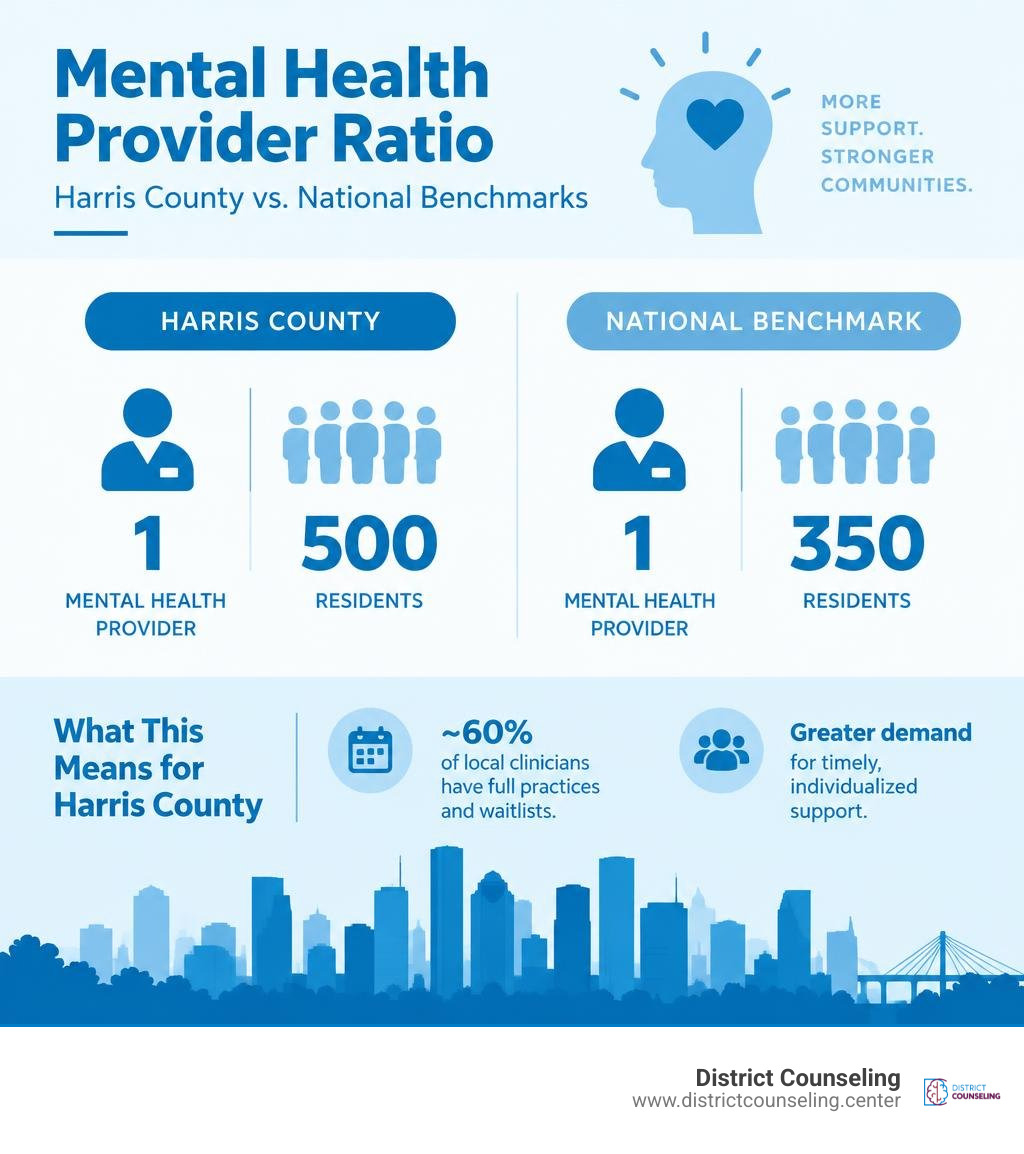
Finding local support is crucial, yet Harris County has a ratio of approximately 1 mental health provider for every 500 residents—falling below the national average of 1 per 350. This provider gap means that about 60% of local clinicians maintain full practices with waitlists lasting several weeks. Understanding your local options and knowing what to ask makes the process of securing timely, individualized support straightforward and empowering.
Understanding Mental Health Needs and Signs You Need Support

Recognizing when to reach out for professional care is a profound step toward long-term wellness. Life stressors often accumulate gradually, making it easy to normalize chronic tension or emotional fatigue until daily functioning begins to unravel.
Common indicators that you may benefit from therapy include:
- Persistent Anxiety and Worry: Feeling constantly on edge, experiencing racing thoughts, or struggling with physical symptoms such as tightness in your chest or disrupted sleep.
- Depressive Symptoms: Experiencing an ongoing low mood, a loss of motivation for activities you once enjoyed, feelings of hopelessness, or pervasive lethargy.
- Major Life Transitions: Navigating career changes, relocation across the Greater Houston area, divorce, grief, or family adjustments.
- Burnout and Depletion: Feeling physically, mentally, and emotionally drained by professional or personal demands. Learning how to identify emotional exhaustion can prevent severe long-term impacts on your health.
- Relationship Strain: Recurring conflicts, intimacy barriers, or communication breakdowns with partners, children, or extended family members.
Engaging with mental health care is an active investment in your quality of life. Ongoing initiatives, such as those highlighted during mental health awareness campaigns, remind us that taking proactive care of our emotional well-being should be treated with the same priority as physical wellness.
Specialized Modalities Offered in Houston
Therapy is not one-size-fits-all. Qualified clinicians utilize distinct evidence-based modalities tailored to specific emotional and relational goals. When exploring various Houston counseling options, understanding different therapeutic frameworks will help you choose the best fit for your needs.
Trauma Care and EMDR
Trauma can stem from acute life events, chronic stress, childhood experiences, or major accidents. Unprocessed trauma often leaves the nervous system in a heightened state of alert, resulting in flashbacks, panic attacks, or emotional numbing.

Specialized trauma counseling focuses on safely regulating the nervous system while processing unresolved distress. Among the most researched modalities is Eye Movement Desensitization and Reprocessing. Engaging in EMDR therapy uses bilateral stimulation (such as side-to-side eye movements or gentle alternating taps) to help your brain reprocess traumatic memories, reducing their emotional intensity and helping you regain a sense of grounded safety.
Couples and Family Counseling
Relationship dynamics require intentional care, especially when communication barriers or trust violations occur. Whether you are navigating marital conflict, parenting hurdles, or family life cycle transitions, structured relational counseling provides objective support.
Couples often benefit from structured approaches such as Gottman Method couples therapy, which emphasizes research-backed interventions to rebuild intimacy, manage conflict constructively, and strengthen mutual respect. Specialized relationship and marital counseling assists partners in identifying recurring cycles of disconnection and establishing healthier interaction patterns. Additionally, engaging in family therapy supports the entire household in developing healthy boundaries and open communication.
Key Factors When Choosing a Houston Therapist
Selecting a practitioner involves assessing clinical credentials, therapeutic approaches, and personal rapport. A helpful starting point is reviewing an A-Z guide to counseling to familiarize yourself with credentials and specialties across the region.
When reviewing potential therapists, consider these essential factors:
- State Licensure: Ensure the provider is fully licensed in Texas (e.g., LPC, LCSW, LMFT, or Licensed Psychologist) through the Texas Behavioral Health Executive Council (BHEC).
- Specialized Experience: Verify that the clinician has advanced training in your specific areas of concern, such as trauma recovery, mood disorders, or relational dynamics.
- Therapeutic Fit: The therapeutic alliance—how safe, understood, and respected you feel—is one of the strongest predictors of successful therapy outcomes.
- Logistics and Location: Consider whether their office location fits your daily routine or if virtual sessions better suit your schedule.
Why Working with a Culturally Competent Houston Therapist Matters
Houston is celebrated as one of the most culturally diverse metropolitan areas in the nation. Your cultural background, values, spiritual beliefs, and language preferences deeply shape your lived experience and worldview.
Working with a culturally responsive therapist ensures that your background is honored within the clinical setting. This inclusivity is vital for specialized assessments, such as undergoing a psychological evaluation for immigration, where nuanced cultural understanding, legal precision, and clinical rigor are essential. Whether you are seeking care in West Houston near CityCentre or through virtual appointments across Texas, working with clinicians who understand multicultural dynamics ensures authentic and respectful care.
Therapy Costs, Insurance, and Accessibility in Houston
Understanding fees and payment options allows you to plan your care sustainably. In Houston, the average private-pay investment for a standard 50-minute therapy session ranges from $100 to $250, depending on the clinician’s advanced certifications, experience, and degree level.
Typical Therapy Session Formats and Investment Ranges
| Service / Format | Average Cost Range | Insurance / Payment Considerations | Typical Session Length |
|---|---|---|---|
| Individual Psychotherapy | $100 – $225 | In-network copays ($20–$50) or Out-of-Network Superbills | 45–55 minutes |
| Couples / Marital Counseling | $130 – $250 | Usually self-pay; rarely covered by standard medical insurance | 50–75 minutes |
| Specialized Trauma (EMDR) | $140 – $250 | Out-of-network reimbursement or private pay | 60–90 minutes |
| Comprehensive Psychological Evaluations | $1,200 – $3,000+ | Flat assessment fee; partial out-of-network coverage may apply | Multi-hour assessment battery |
| Telehealth Therapy | $100 – $200 | Covered by most Texas insurance plans with telehealth parity | 45–50 minutes |
Many private practices operate on an out-of-network basis to protect client confidentiality and offer specialized, uninterrupted care without insurance-mandated diagnosis restrictions. If you have an insurance plan with out-of-network benefits, you can request a “Superbill” (an itemized medical receipt) to submit to your insurer for direct reimbursement. Additionally, some practices provide sliding scale slots or work with clinical interns under supervision to offer more accessible price points.
How to Begin Therapy in Space City
Starting therapy is a straightforward, supportive process designed to match you with the right clinical care without unnecessary friction.
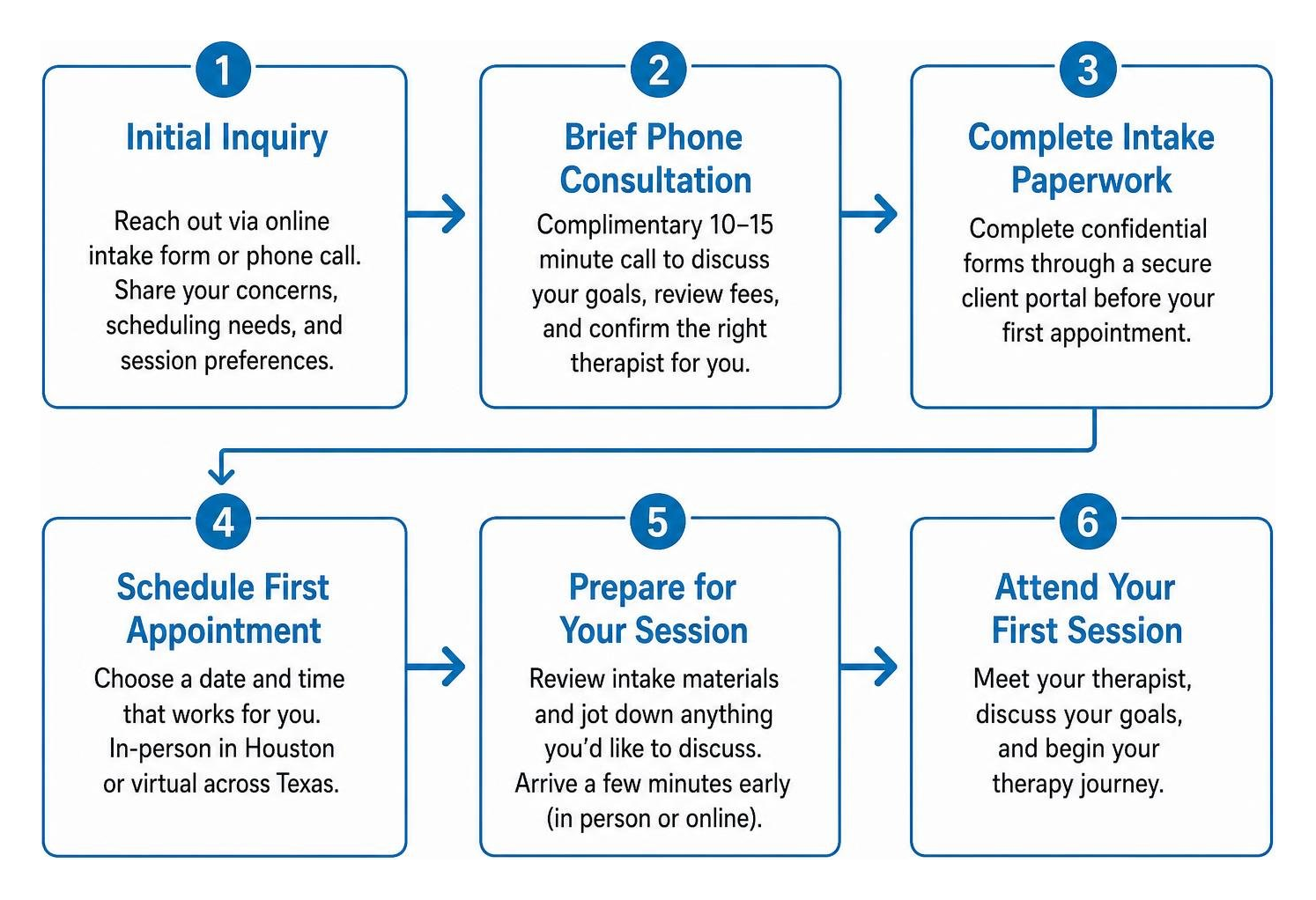
Steps to Schedule an Intake with a Houston Therapist
- Initial Inquiry: Reach out via an online intake form or phone call. This step allows the intake team to understand your primary concerns, scheduling needs, and session preferences.
- Brief Phone Consultation: Many practices offer a complimentary 10- to 15-minute consultation to discuss your goals, review fees, and ensure the therapist’s expertise aligns with your needs.
- Complete Intake Paperwork: Prior to your first appointment, you will complete confidential forms covering medical and mental health history, practice policies, and consent forms through a secure client portal.
- Initial Assessment Session: During your first 50- to 60-minute intake session, you and your therapist will dive deeper into your history, clarify specific goals, and develop a personalized treatment plan.
- Navigating Waitlists: With roughly 60% of regional practices operating at full capacity with 2- to 4-week waitlists, booking your initial intake promptly ensures you secure a recurring time slot that fits your schedule. Exploring comprehensive Houston therapy resources can help connect you with available clinicians across our central and suburban locations.
Frequently Asked Questions About Houston Therapy
How long is the typical waitlist to see a mental health provider in Houston?
Due to local provider-to-resident ratios, waitlists for private therapy practices across Greater Houston typically range from 2 to 4 weeks for popular evening and weekend time slots. Daytime appointments and telehealth sessions generally have faster availability.
What is the difference between an LPC and an LCSW in Texas?
In Texas, both Licensed Professional Counselors (LPCs) and Licensed Clinical Social Workers (LCSWs) are master’s-level mental health professionals qualified to diagnose and treat mental health conditions using talk therapy. LPCs typically focus heavily on clinical counseling theories, cognitive behavioral interventions, and individual psychotherapy techniques. LCSWs undergo training that integrates individual psychotherapy with broader social systems, community resources, and case management models. Both provide high-quality, evidence-based care.
Is online therapy as effective as in-person sessions in Houston?
Yes. Numerous clinical studies confirm that secure telehealth therapy matches the clinical efficacy of in-person therapy for treating depression, anxiety, trauma, and relationship issues. Online therapy also eliminates traffic along Houston highways, providing a flexible option for busy professionals, parents, and college students across Texas.
Conclusion
Taking proactive steps to care for your mental health can transform your daily life, strengthen your relationships, and restore your sense of balance. Whether you are dealing with chronic stress, working through past trauma, or seeking deeper connection in your partnership, compassionate and skilled clinical support is available. At District Counseling, we offer dedicated, evidence-based psychotherapy tailored to your personal goals. Explore our Houston mental health services to schedule your initial consultation and take the first step toward lasting wellness today.
Visited 1 times, 1 visit(s) today


Similar Posts

Francisco Ortiz
November 2, 2026
A Comprehensive Guide to Finding a Houston Therapist
Find a Houston therapist for anxiety, trauma, or couples counseling. Compare costs, insurance, and specialized care in this local guide....

Francisco Ortiz
October 30, 2026
How to Become a Substance Abuse Professional and Help Save Careers
Learn how to become a substance abuse professional and help save careers with this step-by-step guide to DOT SAP qualification and certification....

Francisco Ortiz
October 28, 2026
Demystifying the Evaluation for Immigration Process
Learn how a professional evaluation for immigration supports asylum, waivers, and visa cases with expert forensic assessments....

Francisco Ortiz
October 26, 2026
The Complete Guide to Emotional Exhaustion
Learn the signs, causes, and recovery paths for emotional exhaustion—plus proven strategies to reclaim your energy and well-being....

Francisco Ortiz
October 23, 2026
Demystifying the Court-Ordered Mental Health Evaluation Process
Learn what to expect in a court ordered mental health evaluation, including legal criteria, costs, and outcomes....

Francisco Ortiz
October 21, 2026
Finding the Right EMDR Specialist in Cypress Texas for Real Healing
Find a qualified EMDR specialist in Cypress Texas for real trauma healing and lasting anxiety relief....

Francisco Ortiz
October 19, 2026
Why therapy for caregiver exhaustion is a necessity not a luxury
Find relief with exhaustion therapy for caregivers. Learn how clinical support heals burnout and restores your well-being....

Francisco Ortiz
October 16, 2026
Navigating Neuropsychological Evaluations from Katy to Pasadena
Learn how an ADHD evaluation for Houston teens works, from medication management to school accommodations and 504 plans....

Francisco Ortiz
October 14, 2026
How Texas caregivers can beat exhaustion with virtual therapy
Beat caregiver exhaustion therapy Texas caregivers trust—virtual sessions for stress, boundaries, and recovery. Start today....

Francisco Ortiz
October 12, 2026
Find Local Youth Counselor: How They Can Help Your Teen Thrive (52 characters)
Find a qualified youth counselor near me to help your teen thrive with evidence-based support for anxiety, trauma, and more....


