
What Is a Marital Aid and How Has the Term Evolved?
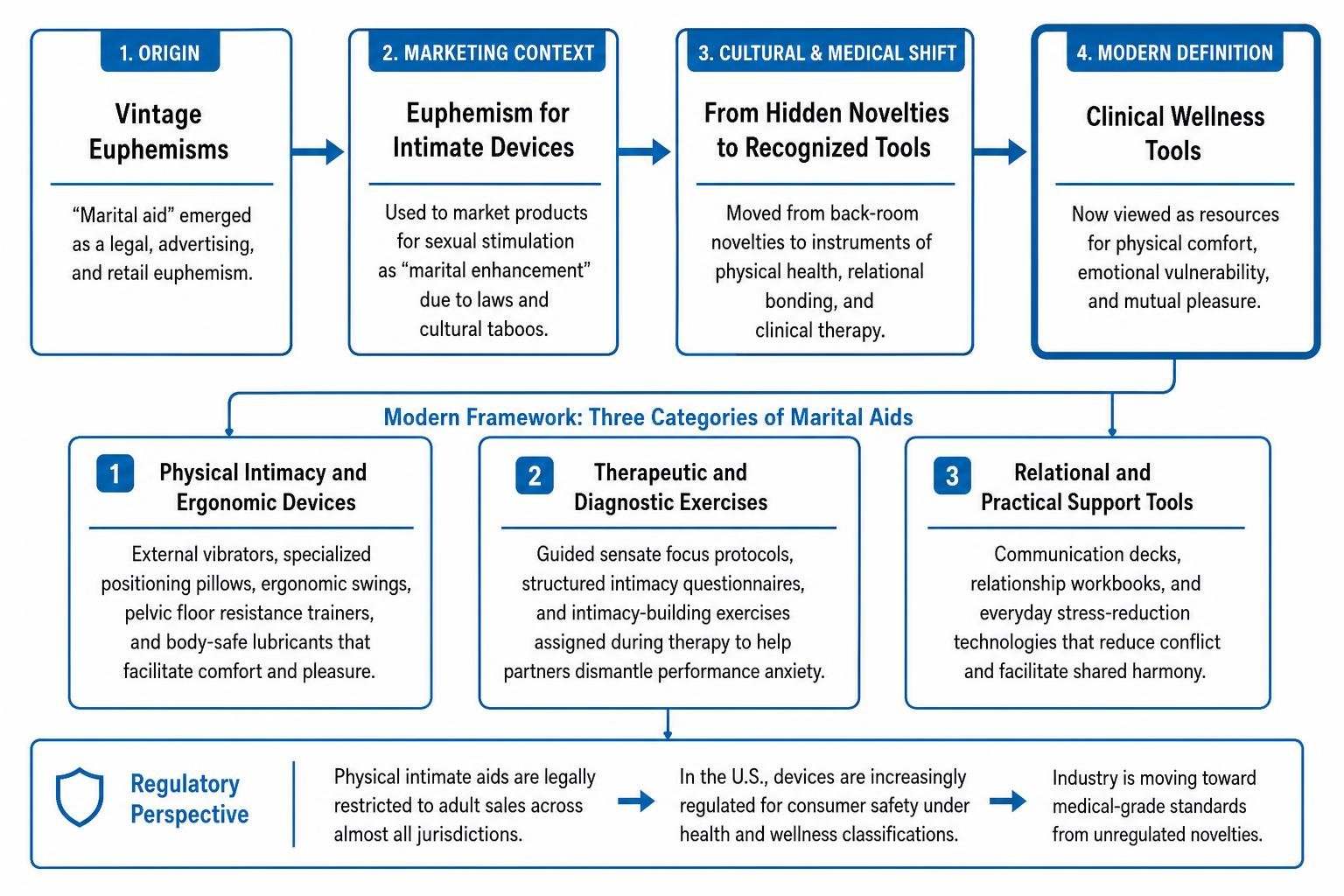
The phrase “marital aid” originated in the mid-to-late 20th century primarily as a legal, advertising, and retail euphemism. Because anti-obscenity statutes, mail-order restrictions, and cultural taboos heavily regulated the direct marketing of adult novelties and intimacy devices, manufacturers and catalog merchants marketed products designed for sexual stimulation as tools intended strictly for “marital enhancement.”
As highlighted by the Cambridge English Dictionary definition, the term is now widely regarded as an old-fashioned label for sex toys and intimate wellness products. However, the history behind the phrase reflects a major cultural and medical shift: moving intimate devices from hidden back-room novelties into recognized instruments of physical health, relational bonding, and clinical therapy.
In modern relationship science and clinical therapy, the definition has expanded considerably beyond novelties. Today, mental health and wellness professionals view marital aids through a comprehensive lens that encompasses three distinct categories:
- Physical Intimacy and Ergonomic Devices: Items such as external vibrators, specialized positioning pillows, ergonomic swings, pelvic floor resistance trainers, and body-safe lubricants that facilitate comfort and pleasure.
- Therapeutic and Diagnostic Exercises: Guided sensate focus protocols, structured intimacy questionnaires, and intimacy-building exercises assigned during therapy to help partners dismantle performance anxiety.
- Relational and Practical Support Tools: Communication decks, relationship workbooks, and even everyday stress-reduction technologies that reduce domestic conflict and facilitate shared harmony.
From a regulatory standpoint, physical intimate aids are legally restricted to adult sales across almost all jurisdictions. In the United States, modern devices are increasingly regulated for consumer safety under health and wellness classifications, pushing the industry away from unregulated novelty materials toward medical-grade standards.
Understanding this evolution helps couples remove the lingering stigma attached to these tools, transforming them from taboo objects into intentional resources for physical comfort, emotional vulnerability, and mutual pleasure.
What Are the Primary Types and Materials of Modern Marital Aids?

Today’s landscape of intimacy tools offers a diverse array of options tailored to different physiological needs, relationship goals, and comfort levels. Whether a couple seeks to introduce novel sensory experiences, overcome physical discomfort, or maintain a vibrant connection across different life stages, selecting the right device begins with understanding the primary categories and prioritizing material safety.
Major Categories of Intimacy Aids
- Positional Supports and Ergonomic Aids: Dense foam wedges, specialty pillows, and durable nylon swings (such as door-mounted support swings) designed to alter pelvic angles, alleviate pressure on joints, and support individuals living with chronic pain, hip dysplasia, or spinal conditions.
- External and Internal Sensation Enhancers: High-grade vibrators, targeted pulse stimulators, and textured sleeves that provide specific nerve stimulation, aiding individuals experiencing altered sensitivity due to medications, neurological shifts, or pelvic surgery.
- Pelvic Floor and Dilator Systems: Medical-grade progressive trainers and biofeedback devices that assist in managing conditions like vaginismus, dyspareunia, or postpartum pelvic floor rehabilitation.
- Sensory and Restraint Accessories: Silk ties, blindfolds, and gentle tactile implements crafted to deepen trust, mindfulness, and sensory immersion within consensual partner play.
These tools frequently provide essential physical health benefits. As couples navigate life transitions—such as menopause-related tissue thinning, erectile changes following prostate procedures, or mobility constraints—ergonomic and targeted aids bridge physiological gaps, allowing partners to stay physically connected without pain or undue strain.
Material Safety and Hygiene
The materials used in intimacy devices directly affect your physical health. Non-porous materials are essential because they can be thoroughly sanitized, preventing bacterial, viral, or fungal growth. Conversely, porous materials absorb bodily fluids and harbor pathogens, making complete sterilization impossible.
| Aid Category | Primary Relational & Physical Benefit | Recommended Body-Safe Materials | Safety & Usage Considerations |
|---|---|---|---|
| Positional Supports & Swings | Alleviates joint pain, improves angles, supports limited mobility | High-density foam, heavy-duty nylon webbing, moisture-resistant covers | Verify weight limits, secure anchor points firmly, and ensure machine-washable covers. |
| Vibratory & Pulse Devices | Bridges desire gaps, enhances nerve response, overcomes numbness | Medical-grade silicone, non-porous ABS plastic | Use water-based lubricants exclusively with silicone; avoid chemical cleansers. |
| Pelvic Floor Trainers & Dilators | Reconditions pelvic musculature, relieves penetration pain | Seamless medical-grade silicone, borosilicate glass | Progress slowly under clinical guidance; inspect glass for micro-fractures before each use. |
| Sensory Implements & Restraints | Deepens somatic focus, builds vulnerability and trust | Mulberry silk, genuine leather, medical-grade silicone | Establish non-verbal stop signals; ensure quick-release mechanisms on all physical restraints. |
Essential Sanitization and Storage Best Practices
To maintain the hygiene and longevity of intimate wellness items:
- Wash Before and After Every Use: Clean non-porous devices with warm water and a dedicated antibacterial toy cleaner or mild, fragrance-free soap.
- Match Lubricants Carefully: Always pair silicone devices with high-quality water-based lubricants. Silicone-based lubricants chemically degrade silicone devices, creating microscopic pits that harbor bacteria.
- Store Discreetly and Separately: Keep clean devices inside breathable, lint-free microfiber or satin pouches. Avoid storing devices in direct contact with one another, as different materials can react chemically over time.
- Inspect for Wear: Regularly check power cords, battery compartments, and structural seams on positional supports to ensure safe, reliable use.
How Do Cultural, Ethical, and Religious Perspectives Influence the Use of Marital Aids?
Couples often navigate a complex web of cultural expectations, spiritual teachings, and personal ethics when considering marital aids. For many, open discussions about physical pleasure carry deeply ingrained feelings of shame, conditioning, or moral hesitation.
Within many faith traditions, marital sexuality is viewed as a sacred, unitive bond designed for mutual comfort and joy. Christian resources such as Focus on the Family observe that scriptural texts do not explicitly address sex toys or intimate aids. Instead, they encourage couples to exercise mutual wisdom, selflessness, and conscience.
In this view, the introduction of aids is generally considered permissible when both partners offer full, unpressured consent and use the items to enrich their shared bond.
However, faith leaders and ethical frameworks alike advise strong caution under specific circumstances:
- Compulsive Behaviors and Past Addiction: When a partner has a history of compulsive sexual behavior or pornography addiction, introducing novelty aids can sometimes trigger old behavioral patterns or emotionally detach one partner from the relational experience.
- History of Sexual Trauma: If past trauma has not been processed, certain sensory implements or unexpected triggers can prompt emotional dissociation or panic responses rather than connection.
- Coercion or Unbalanced Dynamics: An intimate aid should never be used to pressure a partner into sexual activities outside their comfort zone or ethical boundaries.
Deconstructing inherited shame requires separating moral integrity from healthy sexual exploration. When partners express different cultural or religious comfort levels, pursuing structured relationship and marital counseling offers a neutral, supportive environment to explore those values with empathy, ensuring that intimacy practices reflect the shared principles of both individuals.
How Can Couples Communicate Effectively About Introducing Marital Aids?

Introducing an intimate aid into a relationship requires deliberate emotional safety. When handled without care, suggesting a device can inadvertently trigger insecurities, performance anxiety, or fears of inadequacy—such as a partner worrying, “Am I no longer enough for you?”
Conversation Strategies for Partners
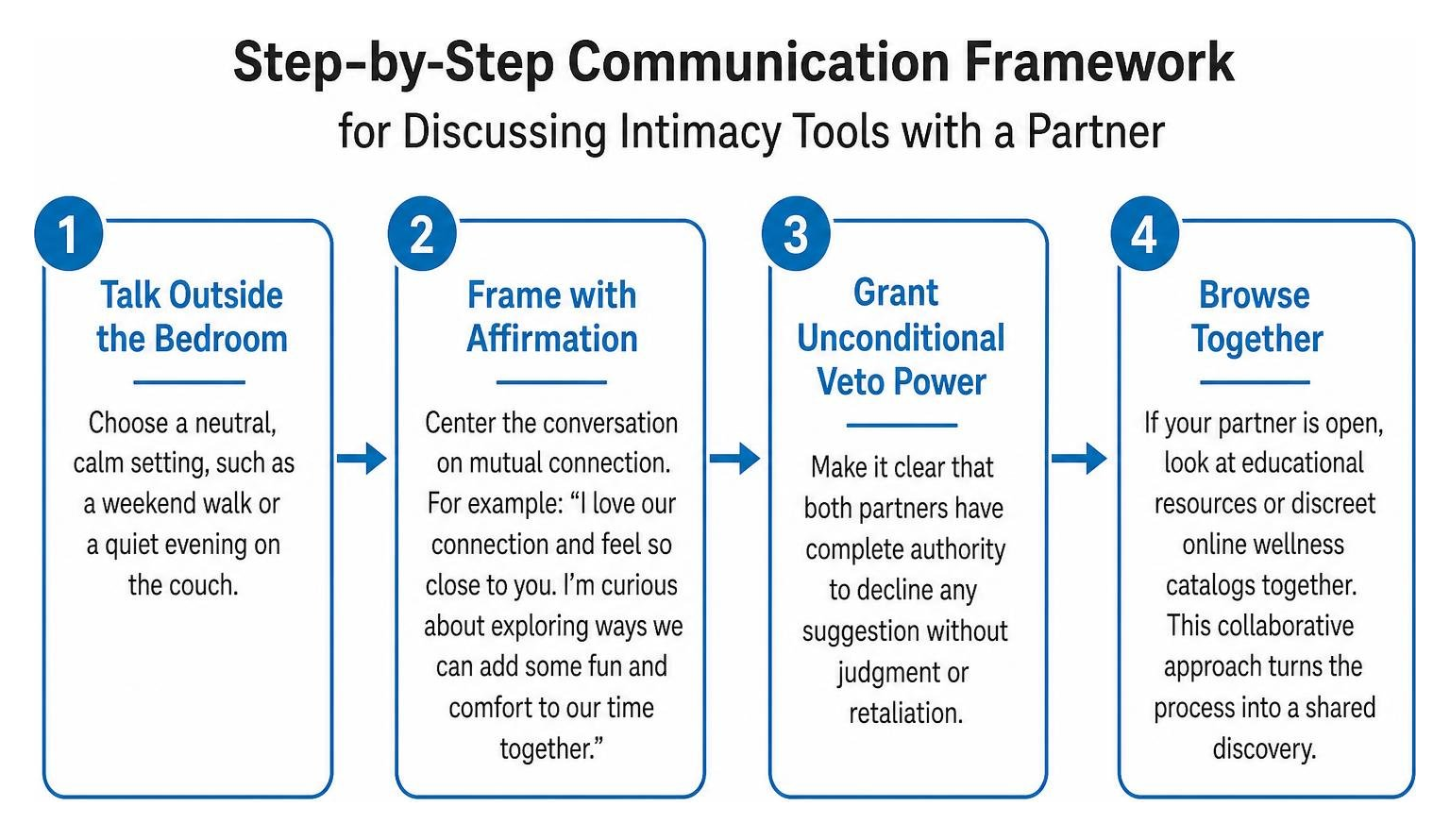
- Talk Outside the Bedroom: Never bring up a new intimate device during moments of physical intimacy or right after an awkward encounter. Instead, choose a neutral, calm setting, such as a weekend walk or a quiet evening on the couch.
- Frame with Affirmation: Center the conversation on mutual connection rather than physical deficits. For example: “I love our connection and feel so close to you. I’m curious about exploring ways we can add some fun and comfort to our time together.”
- Grant Unconditional Veto Power: Clearly communicate that both partners have complete authority to decline any suggestion without judgment or retaliation. True intimacy requires the freedom to say no comfortably.
- Browse Together: If your partner is open, look at educational resources or discreet online wellness catalogs together. This collaborative approach turns the process into a shared discovery rather than an individual request.
Aids should complement emotional bonding rather than replace it. When couples experience persistent desire discrepancies or emotional gridlock, understanding what to expect from couples sex counselling can demystify clinical guidance and provide structured tools to rebuild physical vulnerability.
Furthermore, grounding your conversations in couples therapy fundamentals establishes the active listening, emotional safety, and validation necessary for safe, mutual exploration.
What Legal, Financial, and Relational Support Exists When Marital Distress Arises?
Intimacy struggles are rarely isolated. In many partnerships, severe sexual disconnect, avoidance, or conflict points to deeper relational distress, chronic emotional disengagement, financial pressures, or unaddressed trauma.
When relational conflict escalates into fundamental incompatibility or safety concerns, couples need access to practical, legal, and mental health resources to navigate their next steps responsibly.
Legal and Financial Resources for Relational Transition
When a marriage faces severe breakdown, low-income individuals often worry about the financial burdens of legal proceedings, housing insecurity, and support enforcement. Community legal aid systems provide critical pathways for families needing stability:
- Court Fee Waivers and Spousal Support: Individuals navigating separation in Texas can access self-help legal forms, fee waiver applications (Statement of Inability to Afford Payment of Court Costs), and guidance on temporary spousal maintenance via Texas Law Help.
- Pro Bono Legal Representation: Regional organizations such as the Houston Office of Lone Star Legal Aid and the Tarrant County Bar Association offer free legal assistance to qualifying low-income individuals dealing with family law, custody, and protective orders.
- Housing and Domestic Safety: When relational breakdown involves coercive control, financial abuse, or physical harm, organizations like the Houston Area Women’s Center (HAWC) provide immediate shelter, crisis counseling, and advocacy.
How Professional Counseling Restores Balance
Whether your relationship requires a recalibration of physical intimacy or comprehensive support through high-conflict transitions, you do not have to figure it out alone.
At District Counseling, our licensed clinicians provide authentic, compassionate psychotherapy, trauma-informed care (including EMDR), and specialized relationship counseling across our Texas locations—including Houston, Greater Heights, Memorial, CityCentre, Sugar Land, Katy, Cypress, Missouri City, Pearland, Spring, Tomball, The Woodlands, Austin, Fort Worth, and West Lake Hills. We provide a steady, confidential space to help you untangle complex dynamics, heal emotional wounds, and rediscover mutual alignment.
Frequently Asked Questions About Marital Aids
Are marital aids intended exclusively for married couples?
No. While the term historically implied use within a legal marriage to navigate commercial and cultural restrictions, these devices and therapeutic tools are designed for all consenting adults. Whether you are dating, engaged, in a long-term partnership, or exploring solo wellness, these tools serve to support physical comfort, sexual health, and pleasure across all relationship stages.
Can introducing intimate aids harm emotional closeness in a marriage?
An intimate aid cannot harm a relationship on its own; relational distress usually stems from how tools are introduced and integrated. When an aid is used with mutual consent, curiosity, and emotional vulnerability, it frequently strengthens relational bonds. However, if a device is introduced unilaterally, used to avoid emotional intimacy, or employed to coerce a hesitant partner, it can foster resentment. Clear communication and mutual respect are essential.
When is it time to consult a licensed sex therapist?
You should consider consulting a licensed sex therapist or couples counselor if you experience persistent pain during intimacy (such as dyspareunia), major discrepancies in sexual desire that create daily resentment, emotional numbness or anxiety in the bedroom, or recurring conflict regarding boundaries, intimacy aids, or past trauma. Professional guidance provides a structured, judgment-free path toward healing.
How Can You Take the Next Step Toward Restoring and Enhancing Intimacy?
A fulfilling, sustainable relationship rests on communication, mutual safety, and shared curiosity. Intimacy aids—whether in the form of physical wellness devices, communication exercises, or supportive therapy frameworks—are simply tools to help you and your partner connect more deeply.
Rather than waiting for minor misunderstandings or physical disconnects to turn into deep-seated resentment, proactive couples address their intimacy with intentionality. If you and your partner are ready to overcome physical roadblocks, break through communication barriers, or safely explore new dimensions of your connection, we invite you to reach out to our experienced team. Explore our specialized sex therapy services at District Counseling to schedule a confidential consultation with a licensed professional today.
Visited 1 times, 1 visit(s) today


Similar Posts

Francisco Ortiz
November 13, 2026
All About Marital Aids: A Quick Start Guide
Discover how a marital aid can enhance intimacy, communication, and wellness with this guide on types, safety, and relationship support....

Francisco Ortiz
November 11, 2026
The Ultimate Guide to the DOT SAP Evaluation Process
Learn the complete DOT SAP evaluation process for return-to-duty compliance, from initial assessment to Clearinghouse clearance....

Francisco Ortiz
November 9, 2026
The Complete Guide to Finding an Immigration Evaluator
Find expert immigration evaluation for asylum, VAWA, hardship waivers, and N-648 with this complete guide to forensic assessments....

Francisco Ortiz
November 6, 2026
An Essential Guide to the Psychological Evaluation Process
Learn how a psychological evaluation provides diagnostic clarity and a roadmap for mental health treatment....

Francisco Ortiz
November 4, 2026
Best Counseling Services in Cypress: Find Local Support Now
Find compassionate counseling in Cypress for individuals, couples, teens, and families. Start your wellness journey with expert local support today....

Francisco Ortiz
November 2, 2026
A Comprehensive Guide to Finding a Houston Therapist
Find a Houston therapist for anxiety, trauma, or couples counseling. Compare costs, insurance, and specialized care in this local guide....

Francisco Ortiz
October 30, 2026
How to Become a Substance Abuse Professional and Help Save Careers
Learn how to become a substance abuse professional and help save careers with this step-by-step guide to DOT SAP qualification and certification....

Francisco Ortiz
October 28, 2026
Demystifying the Evaluation for Immigration Process
Learn how a professional evaluation for immigration supports asylum, waivers, and visa cases with expert forensic assessments....

Francisco Ortiz
October 26, 2026
The Complete Guide to Emotional Exhaustion
Learn the signs, causes, and recovery paths for emotional exhaustion—plus proven strategies to reclaim your energy and well-being....

Francisco Ortiz
October 23, 2026
Demystifying the Court-Ordered Mental Health Evaluation Process
Learn what to expect in a court ordered mental health evaluation, including legal criteria, costs, and outcomes....


