
Why therapy for caregiver exhaustion is a necessity not a luxury
Why Therapy for Caregiver Exhaustion Matters
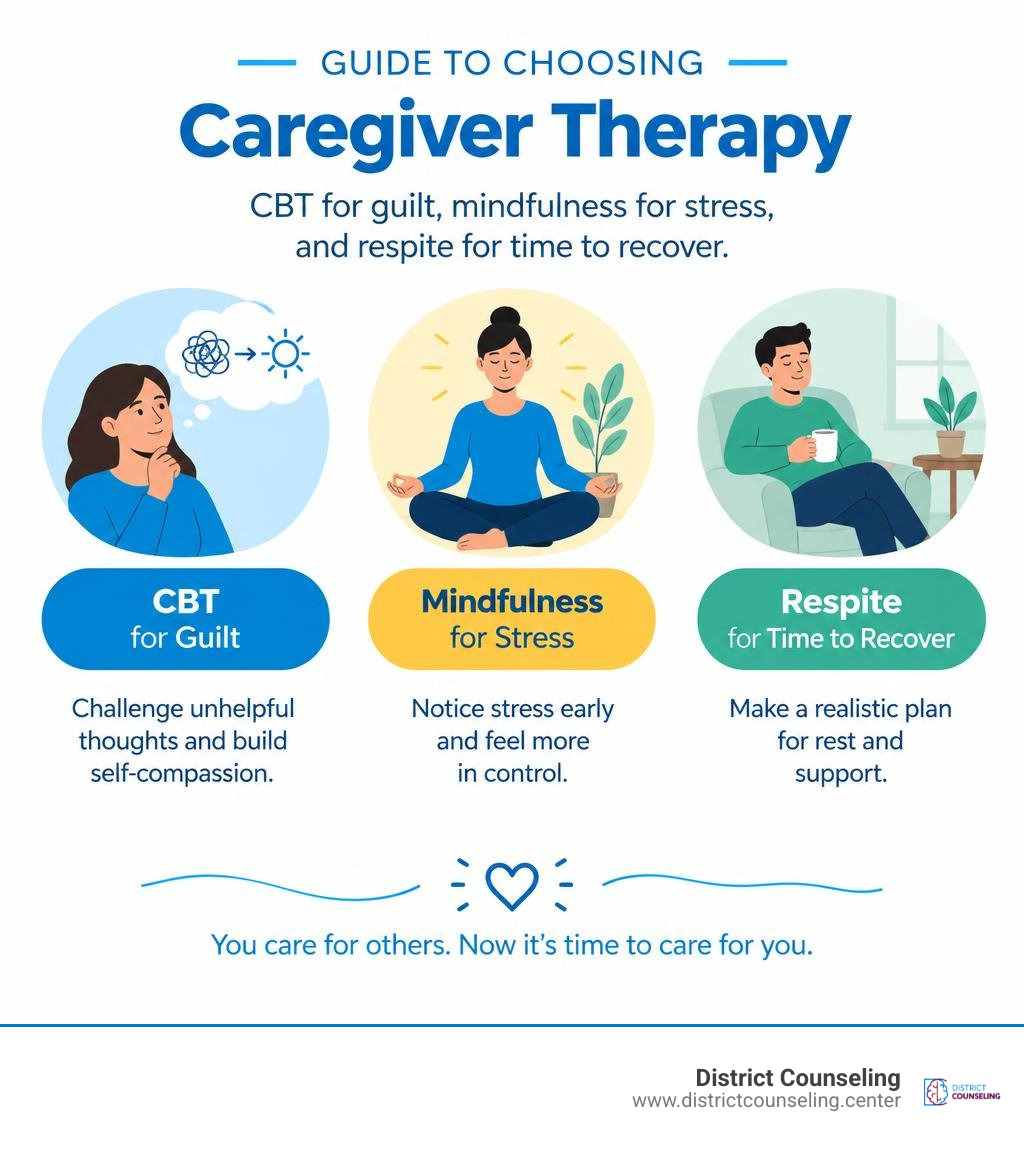
If caregiving has left you drained, therapy can help you manage guilt, set limits, and cope with stress that a short break alone may not fix. CBT can help you challenge thoughts such as “I must do everything myself.” Mindfulness-based therapy can help you notice stress before it takes over. A therapist can also help you make a realistic plan for respite and support.
About 63 million Americans provide unpaid family care. If you are one of them, needing help does not mean you have failed. Ongoing demands can wear down even a devoted caregiver.
I’m Francisco Ortiz, a Licensed Professional Counselor-Supervisor with experience helping people work through trauma, mood concerns, and family strain. In exhaustion therapy for caregivers, those skills can help you protect your health while continuing to care for someone you love.
Terms related to exhaustion therapy for caregivers:
Introduction
Caregiving is among the most compassionate acts a human being can undertake. Whether tending to an aging parent with dementia, a partner coping with a chronic illness, or a child with specialized physical or neurodevelopmental needs, caregiving demands deep emotional, mental, and physical reserves. Yet across our Texas communities—from Greater Heights and Memorial in Houston to Fort Worth and West Lake Hills—millions of family members are operating on completely empty tanks.
Recent public health data shows that more than 53 million unpaid caregivers provide crucial aid across the United States, with some estimates reaching up to 63 million Americans. That represents a nearly 50 percent increase over the last decade. Roughly 1 in 3 adults is an informal caregiver, and about 28% of family caregivers—roughly 17.6 million people—care for an individual with an emotional or mental health challenge.
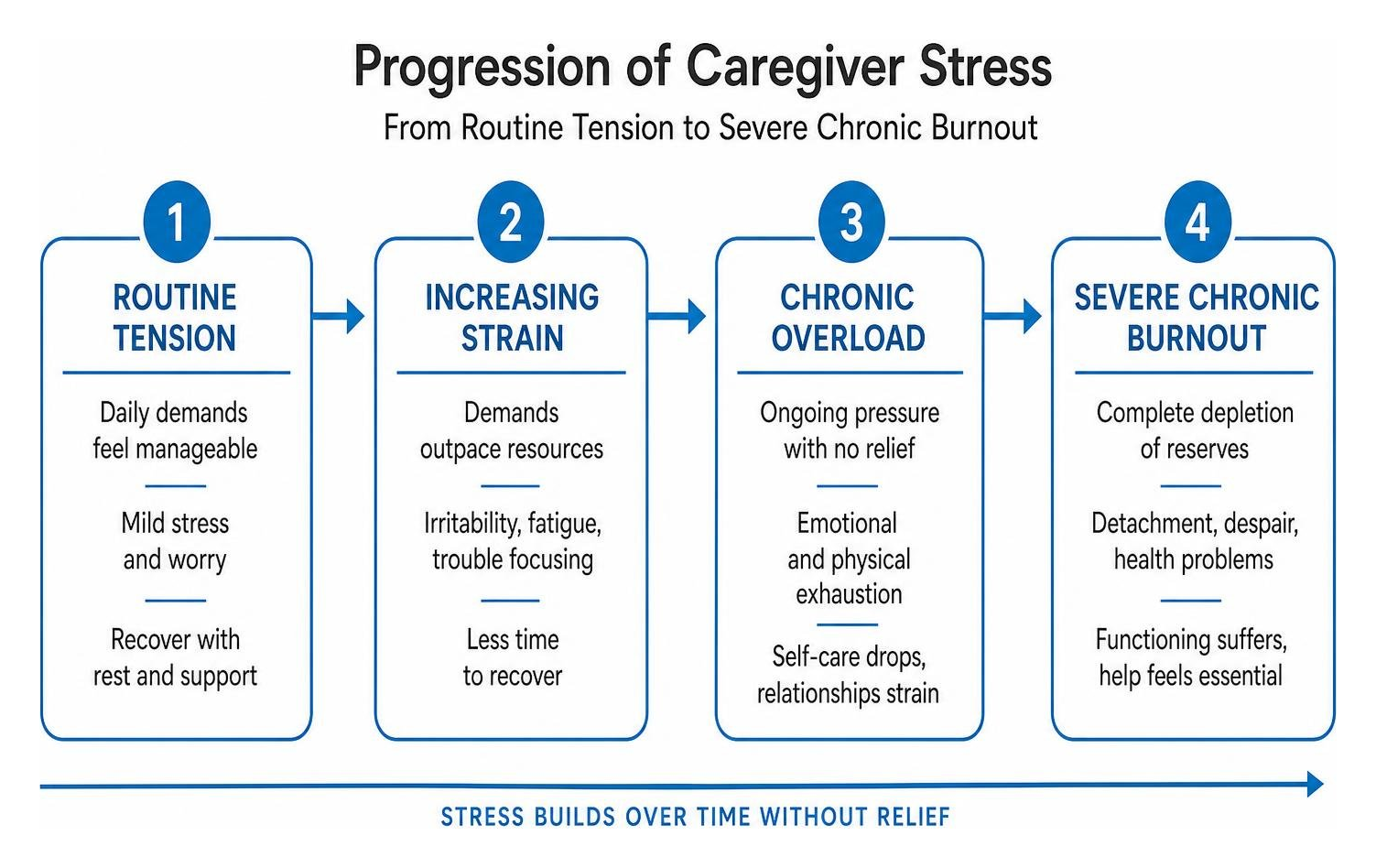
When stress transforms into chronic, round-the-clock depletion, self-care routines like taking a bubble bath or drinking herbal tea simply cannot repair the nervous system. Over 60% of caregivers experience distinct symptoms of clinical burnout, and 1 in 5 describe their own physical health as poor. Dedicated exhaustion therapy for caregivers is not an indulgent luxury; it is an essential clinical intervention designed to protect your life, identity, and future health.
Understanding the Spectrum: Burnout, Compassion Fatigue, and Caregiver Trauma
When people talk about exhaustion in caregiving, they often use words like “stress,” “burnout,” and “fatigue” interchangeably. In clinical practice, however, these represent distinct psychological conditions with different underlying mechanisms and treatment paths.
| Condition | Primary Causes | Onset & Core Symptoms | Emotional Profile |
|---|---|---|---|
| Caregiver Burnout | Chronic, unrelieved physical and emotional workload; lack of control. | Gradual onset; deep physical depletion, cynicism, feeling ineffective. | Numbness, loss of personal purpose, irritability, resentment. |
| Compassion Fatigue | Continuous exposure to a loved one’s suffering, distress, or vulnerability. | Rapid or acute onset; emotional erosion, loss of empathetic capacity. | Secondary traumatic stress, feeling detached or depleted of empathy. |
| Caregiver Trauma | Acute medical crises, psychotic breaks, severe decline, moral injury. | Triggered by events; hypervigilance, intrusive memories, panic reactions. | Fear, profound grief, ambiguous loss, chronic dread of future emergencies. |
While burnout builds up like sediment over months or years of endless logistics and sleepless nights, compassion fatigue can strike abruptly following a medical crisis or prolonged emotional strain. As highlighted in Caregiver trauma research and resources, caregivers are significantly more likely than non-caregivers to screen positive for PTSD, report multiple trauma exposures, and show elevated risks for mood disorders.
Recognizing the shift from manageable tiredness into systemic depletion is critical. If you are noticing severe brain fog, irritability, or chronic dread, identifying key signs of emotional exhaustion can provide clarity on where you fall along this spectrum.
Physical, Emotional, and Behavioral Warning Signs
Caregiver exhaustion rarely stays contained in the mind; it reverberates throughout the entire physical body. According to the Caregiver Burnout clinical overview, prolonged caregiving stress manifests across three primary dimensions:
- Physical Warning Signs: Chronic, unrefreshing sleep (insomnia or early waking), tension headaches, digestive disruptions, unexplained musculoskeletal pain, and frequent infections due to cortisol-induced immune suppression.
- Emotional Warning Signs: Persistent feelings of hopelessness, pervasive sadness, rapid emotional swings, heightened anxiety, a feeling of alienation from friends, and loss of interest in activities that previously brought joy.
- Behavioral Warning Signs: Snapping at family members, withdrawing from social connections, relying on alcohol or sleep aids to cope, procrastinating on critical tasks, and skipping your own preventive medical appointments.
The Vicious Cycle of Caregiver Guilt and Resentment
At the core of caregiver burnout lies a toxic loop of guilt and resentment. Many caregivers hold perfectionistic, unyielding beliefs: “If I really loved them, I wouldn’t feel frustrated,” or “No one else can take care of them properly.”
When you naturally reach physical and emotional exhaustion, brief flashes of resentment inevitably arise. You might feel angry about your lost freedom, frustrated by demanding behaviors, or envious of peers whose lives remain unburdened. Immediately following that anger, a wave of guilt crashes in, driving you to double down on caregiving duties without taking rest. This self-punishing cycle accelerates nervous system collapse.
Core Modalities in Exhaustion Therapy for Caregivers
Professional counseling moves far beyond generic advice to “take time for yourself.” Evidence-based therapeutic frameworks deconstruct the deep psychological friction points of caregiving. Rather than offering a temporary band-aid, specialized modalities help rewrite unhelpful thinking patterns, regulate dysregulated nervous systems, and process deep relational grief. Clinical insights from the Caregiver Well-Being and health guidance emphasize that structured clinical support protects both caregiver cognitive functioning and emotional longevity.
When caregiving involves medical crises, sudden hospitalizations, or watching a loved one’s cognitive deterioration, specialized trauma counseling provides the clinical safety required to process secondary traumatic stress and restore emotional stability.
Cognitive Behavioral Approaches in Exhaustion Therapy for Caregivers
Cognitive Behavioral Therapy (CBT) helps caregivers identify, evaluate, and modify automatic negative thoughts that drive chronic stress and guilt.
- Cognitive Reframing: CBT pinpoints distorted thinking styles, such as all-or-nothing thinking (“If I take an afternoon off, I am abandoning my duties”), and reframes them into sustainable perspectives (“Resting enables me to be a safer, calmer caregiver”).
- Thought Records: Caregivers track moments of acute emotional distress to separate factual realities from internalized guilt and societal expectations.
- Boundary Restructuring: CBT equips you with assertive communication strategies to decline unreasonable demands from family members or medical systems without falling into self-recrimination.
- Systematic Problem-Solving: By breaking overwhelming care coordination tasks into smaller, manageable steps, CBT restores a tangible sense of agency and reduces feelings of helplessness.
Somatic and Acceptance-Based Modalities in Exhaustion Therapy for Caregivers

Because chronic caregiving keeps the sympathetic nervous system locked in a permanent fight-or-flight state, somatic and third-wave behavioral modalities are indispensable:
- Acceptance and Commitment Therapy (ACT): ACT helps caregivers make room for difficult, inevitable emotions (such as grief, sadness, and frustration) while anchoring daily actions in personal core values rather than pure obligation.
- Mindfulness-Based Stress Reduction (MBSR): Body scans, breathwork, and progressive muscle relaxation lower baseline heart rate and quiet chronic physical hyperarousal.
- Dialectical Behavior Therapy (DBT) Skills: DBT’s radical acceptance techniques help individuals stop fighting unchangeable realities—such as an irreversible medical prognosis—conserving vital mental energy for what can actually be managed.
- Eye Movement Desensitization and Reprocessing (EMDR): For caregivers carrying distressing memories of medical emergencies, traumatic diagnoses, or sudden ICU visits, EMDR desensitizes traumatic triggers so memories no longer provoke immediate panic or hypervigilance.
5 Essential Reasons Exhaustion Therapy Is a Necessity, Not a Luxury
Viewing mental health care as a luxury assumes you have ample surplus time and money to spend on personal pampering. But just as commercial airline safety protocols mandate putting on your own oxygen mask before assisting others, clinical psychological care is a non-negotiable safeguard for sustainable caregiving.
As explored in the Therapy for Caregivers clinical perspective, untreated caregiver burnout frequently leads to complete physical breakdown, forcing unplanned institutionalization of care recipients. For family members balancing rigorous schedules across Katy, Pearland, Cypress, or The Woodlands, discovering how Texas caregivers can beat exhaustion with virtual therapy makes professional help accessible without requiring additional travel time.

1. Preserving Long-Term Physical Health and Immune Function
Chronic caregiving stress floods the body with sustained levels of cortisol and adrenaline. Over time, this chronic activation leads to systemic inflammation, elevated blood pressure, accelerated cellular aging, and an increased risk of cardiovascular disease and metabolic dysfunction.
In therapy, you learn evidence-based autonomic down-regulation techniques that physically calm your nervous system. By prioritizing your own medical appointments, optimizing sleep hygiene, and reducing chronic somatic strain, therapy functions as preventative physical medicine.
2. Navigating Ambiguous Loss and Relationship Shifts
One of the most complex psychological burdens in caregiving is ambiguous loss—grieving someone who is still physically present but psychologically or cognitively altered, as seen in Alzheimer’s disease, severe strokes, or traumatic brain injuries.
Therapy provides a sacred, non-judgmental container to mourn the loss of the relationship you once shared with a parent, spouse, or child. A skilled counselor helps you untangle your personal identity from the care recipient’s condition, allowing you to honor past memories while learning to connect with them as they are today.
3. Establishing Sustainable Boundaries Without Self-Blame
Many caregivers believe setting boundaries means being cold, uncaring, or selfish. In clinical reality, boundaries are protective fences that preserve the caregiving relationship.
Therapy teaches you to distinguish between what you can do and what you feel pressured to do. You will learn to:
- Communicate clear limits to extended family members who offer unsolicited opinions without providing hands-on help.
- Delegate practical tasks (such as meal preparation, laundry, or prescription pickups) without apologizing.
- Release the myth of the “flawless caregiver” and embrace realistic, compassionate care standards.
4. Processing Secondary Trauma and Medical Hypervigilance
Witnessing a loved one endure severe pain, terrifying medical interventions, or behavioral crises leaves lasting psychological imprints. Caregivers often develop a state of chronic hypervigilance—jumping at every ring of the phone, dreading the next physician update, or listening anxiously for breathing changes throughout the night.
Therapy creates space to process secondary trauma safely. By working through acute memories of medical distress, you can step down from constant emergency mode and reclaim a sense of calm in your daily environment.
5. Building a Long-Term Support System and Respite Strategy
Caregiver exhaustion often convinces people that they are entirely alone and that no outside help could possibly meet their loved one’s needs. This belief creates isolation and accelerates breakdown.
A therapist helps you dismantle perfectionism and build a robust, actionable care team. This involves integrating formal community resources—such as local adult day health programs, vetted home health aides, and structured respite care—alongside informal support from friends and neighbors. Having a comprehensive emergency contingency plan significantly diminishes daily baseline anxiety.
When to Seek Professional Support and Available Resources
Caregiver burnout often sneaks up quietly. Because demands accumulate incrementally, you might normalize levels of exhaustion that are dangerous to your well-being.
Clinicians frequently utilize validated assessment tools to measure burnout severity, such as:
- The Zarit Burden Interview (ZBI): A screening tool assessing subjective feelings of burden, role strain, and impact on personal life.
- The Maslach Burnout Inventory (MBI): Measures emotional exhaustion, depersonalization, and reduced personal accomplishment.
You should reach out for professional mental health support immediately if you notice:
- Persistent feelings of detachment, numbness, or indifference toward the person you care for.
- Intrusive thoughts of self-harm or a persistent wish that you could go to sleep and never wake up.
- Using substances, alcohol, or medications to manage daily emotional overwhelm.
- Uncontrolled emotional outbursts, severe panic attacks, or frequent bouts of crying.
- Worsening chronic physical symptoms, digestive issues, or total insomnia.
Finding the right support in your area makes a profound difference. Whether you need in-person sessions at our offices in Houston, Katy, Sugar Land, The Woodlands, Austin, or Pasadena, or prefer the convenience of flexible telehealth counseling, accessible help is available. If you are ready to address chronic fatigue and nervous system overwhelm, finding authentic therapy for emotional exhaustion is the first step toward lasting relief.
Frequently Asked Questions About Caregiver Exhaustion
How does therapy differ from standard caregiver self-care?
Self-care activities—like going for a walk, enjoying a cup of tea, or getting a massage—are helpful maintenance tools for everyday stress. However, self-care alone cannot resolve complex relational grief, subconscious guilt, secondary trauma, or systemic boundary issues. Therapy is a clinical process that uncovers the psychological root causes of burnout, restructures cognitive habits, and provides concrete behavioral tools to make your lifestyle sustainable over the long haul.
Can therapy help if my loved one’s condition will not improve?
Yes. While therapy cannot change a loved one’s medical diagnosis or reverse physical decline, it fundamentally transforms your relationship to that reality. Counseling provides distress tolerance tools, supports anticipatory grief processing, and helps you let go of unrealistic self-expectations. Learning to practice radical acceptance allows you to sustain empathy and care without sacrificing your own psychological stability.
How can overwhelmed caregivers make time for therapy sessions?
Finding an extra hour in a packed caregiving routine can seem impossible. That is why modern therapy practices offer flexible options like secure virtual sessions. Telehealth eliminates commute times and parking logistics, allowing you to connect with a licensed clinician from your home during a loved one’s nap time, while they attend an adult day program, or before your daily routine begins. Even a brief, targeted course of therapy can dramatically improve your daily quality of life.
Conclusion: Reclaiming Your Well-Being with Specialized Support
You cannot pour from an empty cup, and you cannot provide loving, attentive care when your own body and mind are completely exhausted. Acknowledging that you need support is not a sign of weakness or a failure of love—it is an act of courage and wisdom.
At District Counseling, we offer sincere, authentic, and compassionate mental health care tailored to your unique family dynamics. Serving communities throughout Houston, CityCentre, Memorial, Spring Branch, The Woodlands, Austin, Fort Worth, and across Texas via virtual therapy, our team is here to support you every step of the way. If caregiving stress has left you feeling anxious, depleted, or depressed, connect with our evidence-based depression and anxiety counseling today and take the first step toward reclaiming your health, your identity, and your peace of mind.
Visited 1 times, 1 visit(s) today


Similar Posts

Francisco Ortiz
October 19, 2026
Why therapy for caregiver exhaustion is a necessity not a luxury
Find relief with exhaustion therapy for caregivers. Learn how clinical support heals burnout and restores your well-being....

Francisco Ortiz
October 16, 2026
Navigating Neuropsychological Evaluations from Katy to Pasadena
Learn how an ADHD evaluation for Houston teens works, from medication management to school accommodations and 504 plans....

Francisco Ortiz
October 14, 2026
How Texas caregivers can beat exhaustion with virtual therapy
Beat caregiver exhaustion therapy Texas caregivers trust—virtual sessions for stress, boundaries, and recovery. Start today....

Francisco Ortiz
October 12, 2026
Find Local Youth Counselor: How They Can Help Your Teen Thrive (52 characters)
Find a qualified youth counselor near me to help your teen thrive with evidence-based support for anxiety, trauma, and more....

Francisco Ortiz
October 9, 2026
Faith-Based Pastoral Counseling: A Comprehensive Guide
Discover how pastoral counseling integrates faith and psychology for holistic healing, grief, trauma, and marital support....

Francisco Ortiz
October 7, 2026
Houston Counseling Options: Find Local Help Nearby
Find affirming counseling in Houston for trauma, LGBTQ+ care, couples, and more. Explore local options and start your healing today....

Francisco Ortiz
October 5, 2026
Why every teacher needs a burnout therapy game plan
Why every teacher needs a burnout therapy game plan – Learn about burnout therapy for teachers...

Francisco Ortiz
October 2, 2026
Child Therapist Near Me? Here is How to Spot a Great One
Find a child therapist near me who fits your child’s needs. Learn signs, costs, and effective therapy options....

Adalid Blandin
September 30, 2026
Mental Health and Miracles: Finding Local Christian Care
Find pastoral counselling near me for faith-based emotional and spiritual support in Texas....

Adalid Blandin
September 28, 2026
Missouri City and Houston Couples Therapy 101
Explore relationship counseling in Houston options, from couples therapy to intensives, with costs, insurance, and therapist tips for Missouri City families....


