Relationships are built on trust, respect, and mutual care. However, when emotional abuse enters the dynamic, it can erode self-esteem and leave lasting scars far beyond the visible surface. Emotional abuse can often be difficult to identify, even for those experiencing it, because it doesn’t leave physical evidence and is frequently disguised under manipulative behavior. At District Counseling, we believe awareness is the first step to healing. Here are five signs you may be in an emotionally abusive relationship and guidance on what to do next.
1. Constant Criticism and Belittling
Everyone makes mistakes, and occasional constructive feedback is normal in relationships. However, emotional abuse takes critique to the extreme, turning it into constant criticism designed to tear you down.
Examples of this include:
- Name-calling or insults: Your partner uses degrading language to describe you.
- Mocking or condescension: They rudely laugh at or dismiss your opinions and feelings.
- Excessive blame: You are made to feel responsible for anything that goes wrong, even if it’s outside your control.
This erosion of confidence often causes victims to second-guess themselves, leading to a cycle of dependency on the abuser’s approval. Ask yourself if their words lift you up or consistently bring you down.
2. Controlling Behavior
Control is a hallmark of emotional abuse. The abuser uses manipulation, guilt, or fear to limit your autonomy and freedom. This can manifest in many ways, including:
- Monitoring: They constantly check up on your phone, social media, or whereabouts.
- Isolation: They discourage you from spending time with friends or family.
- Decision-making: They override your choices about major or minor decisions, leaving you feeling powerless.
Control tactics often masquerade as care or concern, such as statements like, “I just worry about you,” or “I’m doing this because I love you.” However, true love supports your independence, not undermines it.
3. Dismissing or Minimizing Your Feelings
A key trait of emotional abuse is the dismissal of your emotions. Instead of listening, an emotionally abusive partner may:
- Gaslight: They deny your experiences or feelings, causing you to question your reality.
- Downplay issues: They say things like, “You’re overreacting,” or, “It’s not a big deal.”
- Shift blame: They make you feel guilty for expressing your emotions by saying you’re being “too sensitive” or “difficult.”
This chronic invalidation can make you doubt your instincts and foster a sense of confusion or self-blame.
4. Unpredictable Mood Swings
An emotionally abusive partner may flip between extreme anger and affection, leaving you constantly walking on eggshells.
This behavior might include:
- Explosive reactions: They lash out unexpectedly over minor issues or perceived slights.
- Drastic mood shifts: One moment, they’re loving and attentive; the next, dismissive or hostile.
- Manipulative apologies: They may justify their anger with excuses or quick, insincere apologies to avoid consequences.
These mood swings create an unstable environment, which makes it difficult for you to establish boundaries or feel secure in the relationship.
5. Emotional Withholding as Punishment
Silent treatments and withholding affection are common tools in emotional abuse. This involves punishing you by withdrawing emotionally, such as:
- Stonewalling: Refusing to talk to you or ignoring your presence.
- Withholding love: Keeping affection, compliments, or intimacy out of reach until you comply with their demands.
- Using guilt: They make you feel unworthy of their love, tying their approval to conditional behavior.
Healthy relationships involve open communication, not manipulation through emotional withdrawal. If you feel like you’re always walking a tightrope to “earn” back your partner’s kindness, it may be time to examine the underlying dynamics.
What to Do If You Recognize These Signs
Identifying emotional abuse is challenging but empowering. The next steps involve prioritizing your well-being and, if possible, seeking professional guidance. Here’s what you can do:
- Confide in Someone You Trust: Share your experiences with a friend or family member who can provide outside perspective and support.
- Educate Yourself: Learn more about the dynamics of emotional abuse to affirm that your feelings are valid.
- Set Boundaries: Clearly communicate what behaviors you will not tolerate. If the abuse continues, it may be time to consider ending the relationship.
- Seek Professional Help: Therapy provides a safe space to process your emotions, rebuild confidence, and create a plan for moving forward.
At District Counseling, we are committed to helping individuals and couples break free from abusive patterns and build healthier connections. Whether you’re experiencing emotional abuse yourself or want to support a loved one, therapy can provide clarity and healing.
You Deserve a Healthy Relationship
No one deserves to feel diminished, controlled, or invalidated in a relationship. If you recognize these signs and feel ready to take the first step toward change, help is available.
At District Counseling, we offer both individual therapy for personal healing and couples therapy to address and transform relationship dynamics. Our compassionate team of therapists is here to guide you every step of the way.
🌟 Call us today at 346-800-7601 or visit District Counseling to schedule your appointment.
Take the first step toward the healthy, fulfilling relationship you deserve. Help is just a call away.
Visited 722 times, 1 visit(s) today
Similar Posts

Francisco Ortiz
October 16, 2026
Navigating Neuropsychological Evaluations from Katy to Pasadena
Back-to-School Mental Health: Tips for a Smooth Transition – Discover practical tips to ease back-to-school anxiety for kids, teens, and parents. Build healthy routines, manage stress, and foster emotional… …...

Francisco Ortiz
October 14, 2026
How Texas caregivers can beat exhaustion with virtual therapy
Beat caregiver exhaustion therapy Texas caregivers trust—virtual sessions for stress, boundaries, and recovery. Start today....

Francisco Ortiz
October 12, 2026
Find Local Youth Counselor: How They Can Help Your Teen Thrive (52 characters)
Find a qualified youth counselor near me to help your teen thrive with evidence-based support for anxiety, trauma, and more....

Francisco Ortiz
October 9, 2026
Faith-Based Pastoral Counseling: A Comprehensive Guide
Discover how pastoral counseling integrates faith and psychology for holistic healing, grief, trauma, and marital support....

Francisco Ortiz
October 7, 2026
Houston Counseling Options: Find Local Help Nearby
Find affirming counseling in Houston for trauma, LGBTQ+ care, couples, and more. Explore local options and start your healing today....
Francisco Ortiz
October 5, 2026
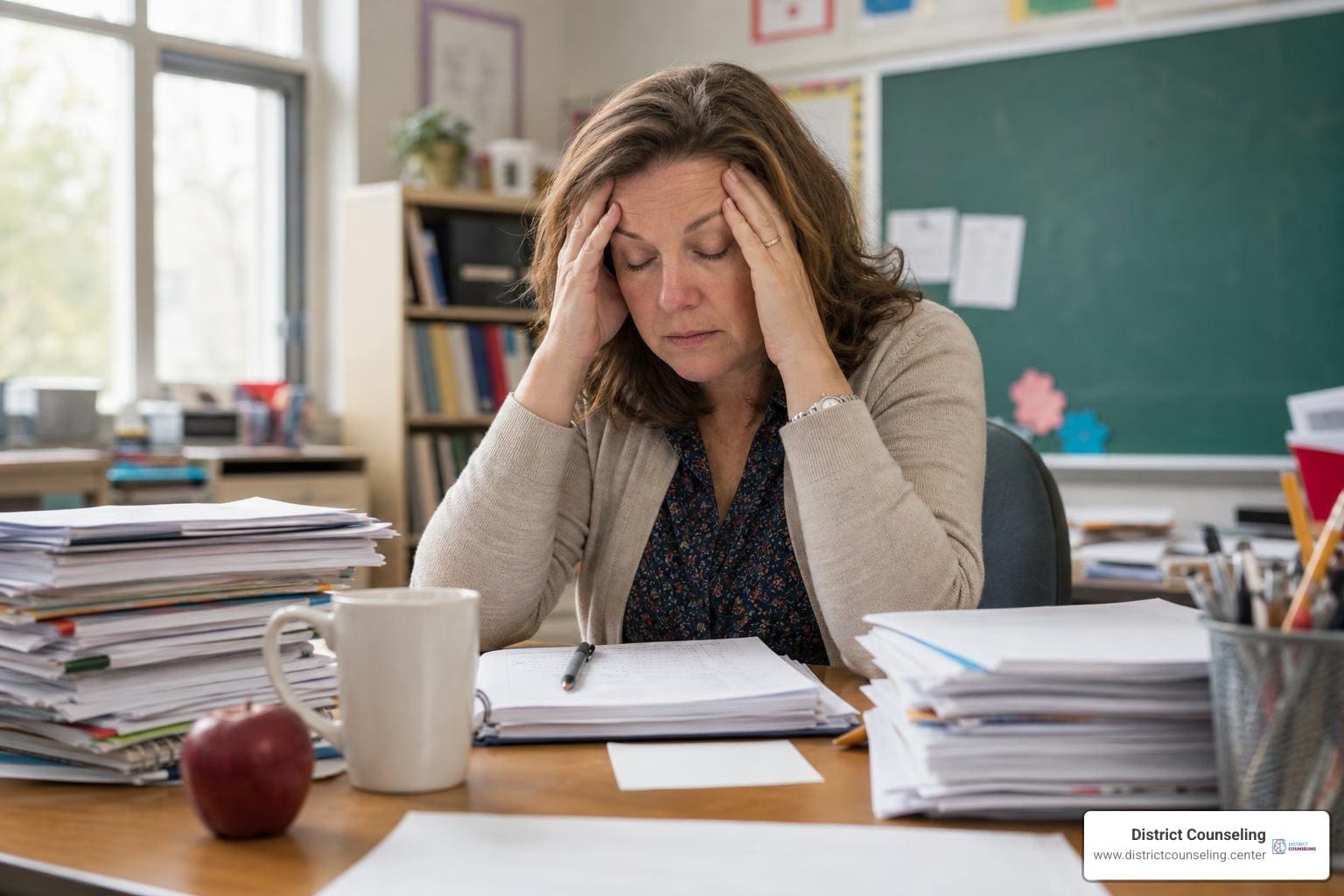
Why every teacher needs a burnout therapy game plan
Why every teacher needs a burnout therapy game plan – Learn about burnout therapy for teachers...

Francisco Ortiz
October 2, 2026
Child Therapist Near Me? Here is How to Spot a Great One
Find a child therapist near me who fits your child’s needs. Learn signs, costs, and effective therapy options....

Adalid Blandin
September 30, 2026
Mental Health and Miracles: Finding Local Christian Care
Find pastoral counselling near me for faith-based emotional and spiritual support in Texas....

Adalid Blandin
September 28, 2026
Missouri City and Houston Couples Therapy 101
Explore relationship counseling in Houston options, from couples therapy to intensives, with costs, insurance, and therapist tips for Missouri City families....

Adalid Blandin
September 25, 2026
How to find authentic therapy for emotional exhaustion in Houston
Find emotional exhaustion therapy Houston that helps professionals and caregivers move from burnout to renewed energy and balance....


