
The world feels smaller every day. Twenty-four-hour news cycles and the constant stream of social media updates bring global events directly into our lives, often with jarring intensity. Today, as headlines mark the second anniversary of the October 7th attack in Israel, we are reminded of how profoundly distant events can impact our sense of safety and emotional well-being. For many, this anniversary isn’t just a news report; it’s a somber occasion that can reawaken feelings of grief, anxiety, and helplessness.
Watching memorials for the deceased, hearing stories of hostages still in captivity, and seeing a nation grappling with deep divisions can create a powerful emotional ripple effect. This is known as collective trauma—a psychological response shared by a group of people, or even an entire society, following a devastating event. You don’t have to be directly involved to feel the aftershocks. If you find yourself feeling on edge, deeply saddened, or anxious about the state of the world, know that you are not alone. Your feelings are a valid human response to witnessing tragedy.
Here in Texas, thousands of miles away, it’s important to acknowledge how these global events can permeate our daily lives and mental health. For those with personal connections to the region, the pain is direct and acute. For others, it can heighten a generalized sense of anxiety about global instability and personal security. This is where understanding our psychological responses and developing healthy coping strategies becomes essential.
Understanding Vicarious Trauma and Anxiety
It’s easy to feel a sense of powerlessness when confronted with large-scale tragedies. This can lead to what psychologists call vicarious or secondary trauma, where individuals experience trauma symptoms from indirect exposure to an event. Symptoms can include:
- Heightened Anxiety: A persistent feeling of worry or dread that is difficult to control.
- Intrusive Thoughts: Unwanted images or thoughts related to the traumatic event.
- Emotional Numbness: Feeling detached from yourself and others as a protective mechanism.
- Hypervigilance: A state of increased alertness, feeling constantly on guard for potential danger.
- Profound Sadness or Grief: Mourning the loss of life and the shattering of peace.
These feelings are often amplified by the endless loop of news coverage. While staying informed is important, constant exposure can saturate our minds with distressing information, keeping our nervous systems in a perpetual state of high alert. This is why learning to manage our media consumption is a critical first step in protecting our mental health.
Actionable Strategies for Coping and Building Resilience
While we cannot control world events, we can control how we respond to them. Building resilience is about developing the capacity to navigate and recover from adversity. Here are some practical strategies to help you cope with the emotional weight of unsettling news:
- 1. Mindful Media Consumption: Instead of staying plugged into the news 24/7, schedule specific, limited times to check for updates. Choose one or two reliable sources to avoid the sensationalism and conflicting reports that fuel anxiety. Consider turning off news alerts on your phone to create mental space and reduce the feeling of being constantly bombarded.
- 2. Focus on What You Can Control: Anxiety often stems from a feeling of powerlessness. Counteract this by focusing on your immediate environment and actions. This could be as simple as sticking to your daily routine, organizing a room in your home, or engaging in a hobby you enjoy. Small acts of agency can restore a sense of stability and purpose. You can also channel your feelings into positive action, such as donating to a humanitarian cause, participating in community-building activities, or simply offering support to a friend who is struggling.
- 3. Practice Grounding Techniques:When you feel overwhelmed by anxiety or intrusive thoughts, grounding techniques can help bring you back to the present moment. The “5-4-3-2-1” method is highly effective:
- 5: Acknowledge FIVE things you see around you.
- 4: Acknowledge FOUR things you can touch.
- 3: Acknowledge THREE things you can hear.
- 2: Acknowledge TWO things you can smell.
- 1: Acknowledge ONE thing you can taste.
This sensory exercise anchors you in your current reality, interrupting the cycle of anxious thoughts.
- 4. Lean on Your Community: Connection is a powerful antidote to feelings of isolation and despair. Talk about your feelings with trusted friends, family, or community members. Sharing your experience can validate your emotions and remind you that you are not carrying this burden alone. In times of collective pain, communal strength is more important than ever.
When to Seek Professional Support
Coping strategies are incredibly valuable, but sometimes the weight is too heavy to carry on your own. If your anxiety, sadness, or stress is interfering with your daily life, work, or relationships, it may be time to seek professional help. A qualified mental health professional can provide a safe, confidential space to process your feelings and develop personalized strategies for managing them.
For those in our community, finding the right support is a crucial step toward healing. Whether you are looking for **counseling in Texas** to talk through your anxieties or seeking a **therapist in Houston** to develop long-term coping skills, professional guidance can make a significant difference. In some cases, persistent symptoms may benefit from a medical evaluation. A specialist in **psychiatry in Houston** can assess whether medication might be a helpful component of your treatment plan. Finding a trusted **psychiatrist in Texas** is a proactive step in caring for your overall well-being.
The echoes of trauma can be long and profound, but they do not have to define your mental landscape. By acknowledging the impact of world events, practicing intentional self-care, and knowing when to reach out for help, you can navigate these challenging times with strength and resilience.
If you are struggling to cope with the weight of the world, we are here to help. Contact our practice today to connect with a compassionate professional who can support you on your journey to mental wellness.
Visited 43 times, 1 visit(s) today
Similar Posts

Francisco Ortiz
October 16, 2026
Navigating Neuropsychological Evaluations from Katy to Pasadena
Learn how an ADHD evaluation for Houston teens works, from medication management to school accommodations and 504 plans....

Francisco Ortiz
October 14, 2026
How Texas caregivers can beat exhaustion with virtual therapy
Beat caregiver exhaustion therapy Texas caregivers trust—virtual sessions for stress, boundaries, and recovery. Start today....

Francisco Ortiz
October 12, 2026
Find Local Youth Counselor: How They Can Help Your Teen Thrive (52 characters)
Find a qualified youth counselor near me to help your teen thrive with evidence-based support for anxiety, trauma, and more....

Francisco Ortiz
October 9, 2026
Faith-Based Pastoral Counseling: A Comprehensive Guide
Discover how pastoral counseling integrates faith and psychology for holistic healing, grief, trauma, and marital support....

Francisco Ortiz
October 7, 2026
Houston Counseling Options: Find Local Help Nearby
Find affirming counseling in Houston for trauma, LGBTQ+ care, couples, and more. Explore local options and start your healing today....
Francisco Ortiz
October 5, 2026
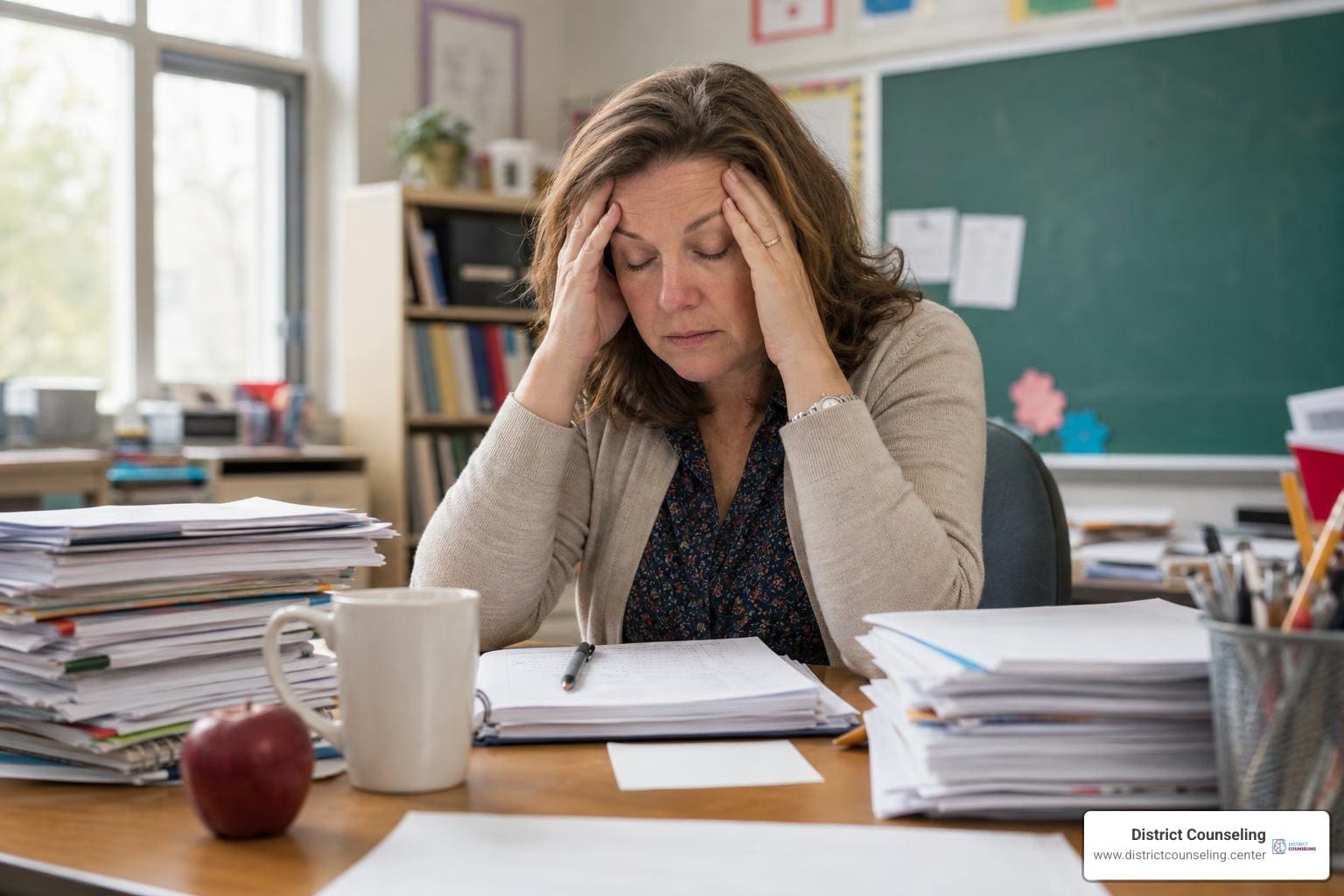
Why every teacher needs a burnout therapy game plan
Why every teacher needs a burnout therapy game plan – Learn about burnout therapy for teachers...

Francisco Ortiz
October 2, 2026
Child Therapist Near Me? Here is How to Spot a Great One
Find a child therapist near me who fits your child’s needs. Learn signs, costs, and effective therapy options....

Adalid Blandin
September 30, 2026
Mental Health and Miracles: Finding Local Christian Care
Find pastoral counselling near me for faith-based emotional and spiritual support in Texas....

Adalid Blandin
September 28, 2026
Missouri City and Houston Couples Therapy 101
Explore relationship counseling in Houston options, from couples therapy to intensives, with costs, insurance, and therapist tips for Missouri City families....

Adalid Blandin
September 25, 2026
How to find authentic therapy for emotional exhaustion in Houston
Find emotional exhaustion therapy Houston that helps professionals and caregivers move from burnout to renewed energy and balance....


