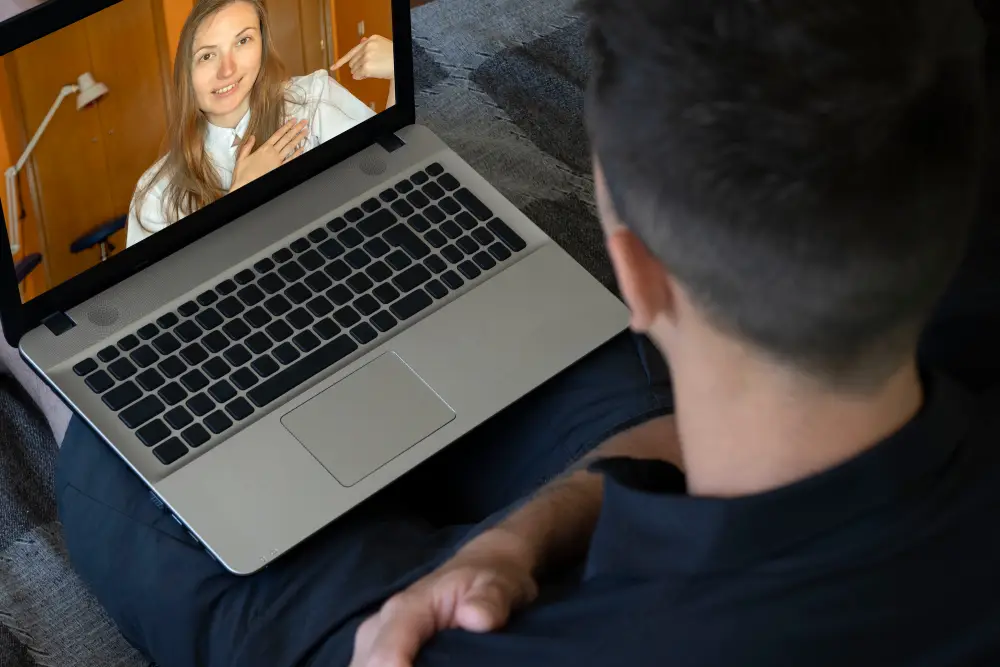
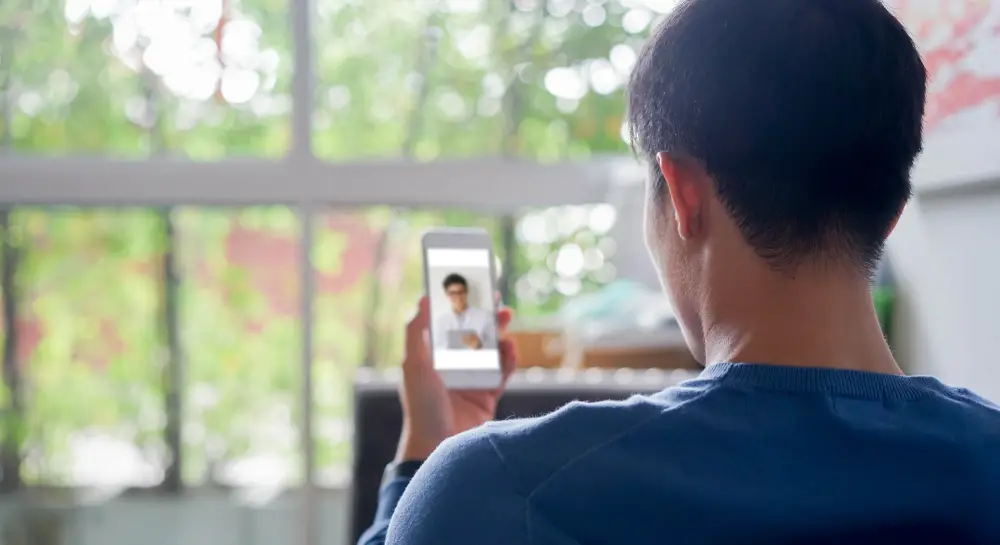
Is the great work-from-home experiment starting to feel less like a revolution in well-being and more like a recipe for burnout? You’re not alone in that feeling. The lines between the living room and the office have blurred into a single, perpetually “on” space for many Texans.
A fascinating study published today, January 9, 2026, in *Social Science & Medicine* highlights the significant mental health boosts employees experience from working from home, especially for women with pre-existing mental health concerns. The research points to benefits like reduced commute times and greater flexibility leading to improved well-being. And yet, for many, the reality feels more complicated. The promise of work-life balance can sometimes curdle into a 24/7 work-life blend that leaves us exhausted by Friday afternoon.
So, how do we embrace the proven benefits while navigating the hidden pitfalls? As we stand at the threshold of the weekend, let’s tackle some of the most pressing questions about making modern work truly work for our mental health.
You Asked, We Answered: Navigating Work-Life Balance in 2026
**Question 1: “I read the news about remote work being good for mental health, but honestly, I feel more drained than ever. My laptop is always *right there*. Why the disconnect?”**
This is the central paradox of remote work. The same autonomy that can be freeing can also become a cage if not managed with intention. The study’s findings are valid—eliminating a stressful commute and having more control over your day *are* objectively good for mental health. However, the lack of physical separation between “work” and “home” can dismantle the psychological boundaries we once took for granted.
Without the clear demarcation of leaving an office building, our brains can struggle to switch off. Every notification, every late-night email, feels urgent. This “always-on” culture is a direct path to burnout. The solution lies in creating new, deliberate boundaries. If you’re struggling to build these habits, seeking professional guidance can be incredibly effective. A **Therapist in Houston** can work with you to develop personalized strategies to reclaim your personal time and combat the unique pressures of remote work.
**Question 2: “My boss is talking more about the importance of ‘in-person collaboration’ and how it impacts promotions. How do I protect my weekend and my flexibility without falling behind professionally?”**
This is a growing concern. Some 2026 workplace analyses point to a “slow-motion return to office,” where remote workers may face disadvantages in career progression. The fear of being overlooked can pressure us to be constantly available, effectively erasing our weekend before it even begins.
The key is to shift the focus from *hours logged* to *impact delivered*.
* **Friday Sign-off:** End your week with a proactive communication. Send a brief email to your team lead summarizing your accomplishments for the week and outlining your top priorities for Monday. This demonstrates your engagement and productivity, creating a natural bookend to the workweek.
* **Schedule Your Flexibility:** If you need to maintain a hybrid schedule, be intentional about your in-office days. Use them for the collaborative tasks your boss is emphasizing. This shows you’re a team player while still preserving your remote days for focused, deep work.
* **Open a Dialogue:** Frame the conversation around mutual benefit. You could say, “I find I’m most productive and creative for the company when I have a balanced schedule that includes remote work. How can we ensure my contributions are fully visible while I maintain this effective structure?”
**Question 3: “What is one simple, concrete action I can take at 5 PM today to signal to my brain that the weekend has officially started?”**
Create a “shutdown ritual.” This is a series of small, consistent actions that act as a powerful psychological cue that your workday is over. It’s the modern equivalent of hanging up your coat and putting your briefcase away.
Your ritual could be a 3-step process:
1. **The Digital Shutdown:** Log out of your email, quit Slack or Teams, and turn off work notifications on your phone. Don’t just close the laptop—actively sign out of the programs that connect you to work.
2. **The Physical Transition:** Change your physical state. This could be as simple as changing out of your “work clothes” (even if they’re just sweatpants) into “relaxing clothes.” Or you could go for a 10-minute walk around the block to physically “commute” from your workday.
3. **The Sensory Shift:** Engage one of your senses to anchor you in the present moment. Play a specific “end of the week” song. Light a candle with a scent you associate with relaxation. Make a cup of tea you only drink on weekends.
This ritual, performed consistently, trains your brain to understand that the time for rest has begun.
***
When the Blurry Lines Affect More Than Just Your Weekend
If these questions resonate on a deeper level, and you find that
Visited 10 times, 1 visit(s) today
Similar Posts
Arely Ambriz
April 1, 2026
Feeling the Weight of the World This Wednesday? A Q&A on Managing Mid-Week Stress
Feeling anxious mid-week? Learn how to manage stress by understanding your reactions, setting boundaries, and using grounding techniques. Discover when to seek expert help from a psychiatrist to regain your...

Development Funnel Boost Media
April 1, 2026
Signs You May Have High-Functioning Depression & When to Get Help
High-functioning depression can be difficult to recognize. From the outside, everything may appear stable: you go to work, maintain relationships, and meet responsibilities. Internally, however, persistent low mood, exhaustion, or...
Arely Ambriz
March 31, 2026
When Work Becomes Harmful: A Q&A on Navigating Toxic Cultures and Protecting Your Mental Health
Discover the signs of a toxic workplace and learn how to protect your mental health. From early warning signs to actionable steps, this guide helps you navigate workplace stress and...

Arely Ambriz
March 30, 2026
The First Day Back: How to Script Your Own Comeback Story
Starting a new chapter? Discover practical tips like journaling, setting micro-goals, and practicing self-compassion to build momentum. Learn how a therapist can help you navigate your new beginning....
Arely Ambriz
March 27, 2026
The Weight of the World on Your Wifi: Reclaiming Your Weekend in Anxious Times
Feeling overwhelmed by weekend anxiety? Learn how to trade doomscrolling for down-regulating with three actionable steps: create a digital sunset, schedule worry time, and engage your senses. Reclaim your weekend...

Arely Ambriz
March 26, 2026
Is the Housing Market Building a Wall Between You? A Q&A on Navigating Financial Stress in Your Relationship
Struggling with relationship conflict over finances or life goals? Learn how to navigate tough conversations, stop the blame game, and build a shared vision with your partner. A Houston therapist...
Arely Ambriz
March 26, 2026
Overwhelmed by the Headlines? A Mid-Week Q&A for Managing Global Stress
Feeling overwhelmed by the news? Learn how to manage mid-week slumps and global anxiety with practical tips for breaking the doomscrolling cycle and centering yourself when the world feels chaotic....

Arely Ambriz
March 24, 2026
Navigating the Noise: Your Guide to Workplace Mental Health in Uncertain Times
Feeling anxious about the economy and your job? Learn why economic news triggers stress and find actionable steps to protect your mental health at work. Move from surviving to thriving....
Arely Ambriz
March 23, 2026
The Unseen Chapter: Why Your Everyday Story Is the Perfect Place for a New Beginning
Struggling with motivation? Discover three powerful journaling prompts designed to help you reframe your personal history, find a new perspective, and write your next chapter. Learn when to seek support...

Arely Ambriz
March 20, 2026
The Weekend Unplug: How to Reclaim Your Downtime in a 24/7 World
Struggling to switch off from work or the news over the weekend? Get actionable tips from therapists and counselors on how to beat work stress, overcome productivity guilt, and set...